A continuation patent is a new application filed on the same invention as an earlier “parent” patent. It claims the benefit of the parent’s filing date. It lets you pursue different claims, broader claims, or narrower claims based on the specification you already wrote.
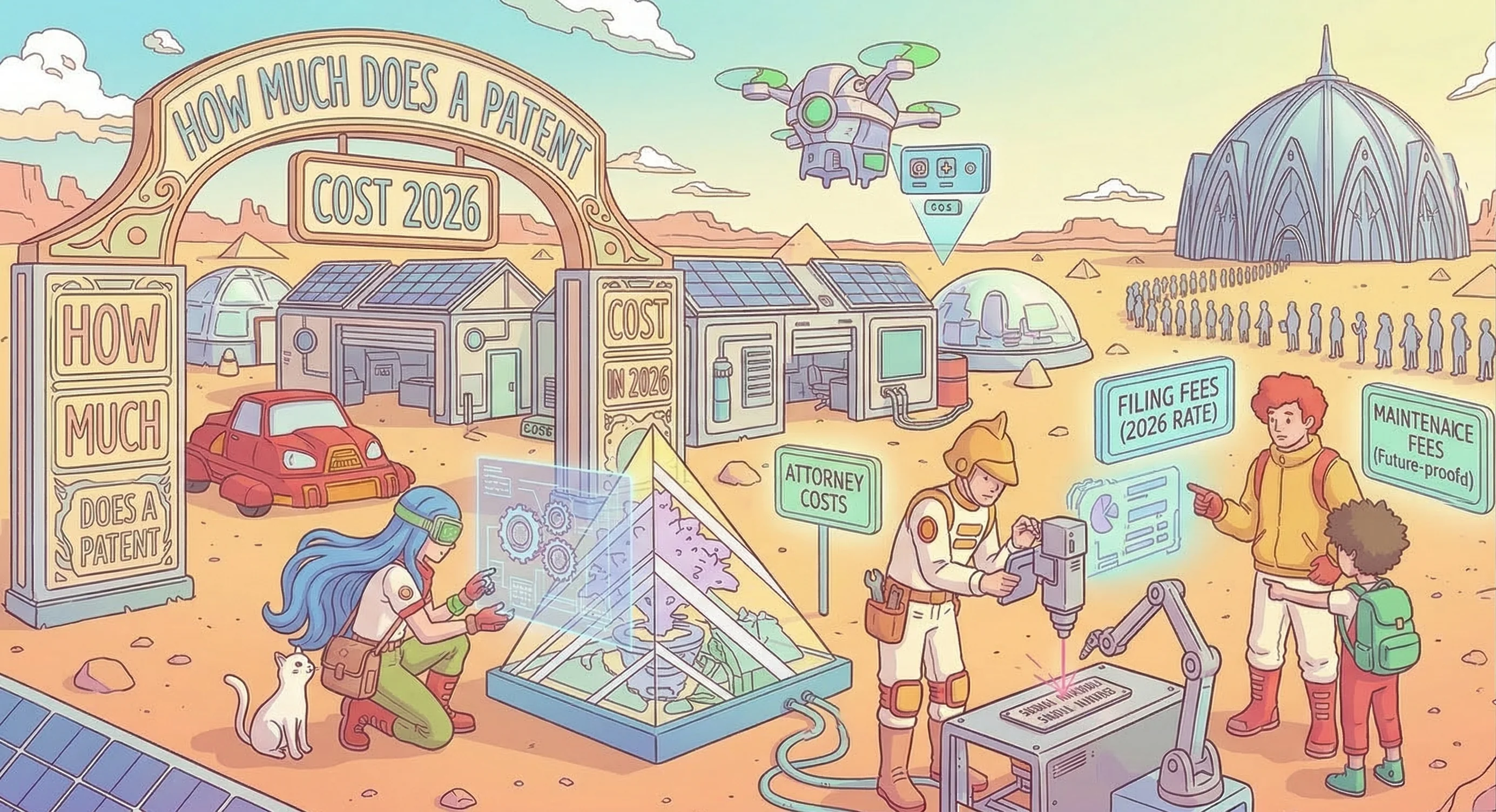
Continuations typically cost $6,000 to $17,000 total. That is less than filing a brand new application because the hard part, writing the specification, is already done. Your attorney is drafting new claims and shepherding them through examination.
This is one of the most powerful tools in patent strategy. Companies like Qualcomm, Apple, and pharmaceutical giants use continuation families to build layered protection around core inventions. Independent inventors can use the same approach on a smaller scale.
What Is a Continuation Patent?
When you file a patent application, the specification describes your invention in detail. The claims define the specific legal boundaries of your protection. But one set of claims rarely captures every possible way to protect what you invented.
A continuation lets you go back to that same specification and carve out new claims. Maybe your original claims were too narrow. Maybe a competitor found a workaround. Maybe the examiner forced you to narrow your claims during prosecution and you want another shot at broader coverage.
The key requirement: the parent application must still be pending when you file the continuation. Once the parent issues as a granted patent or goes abandoned, the window closes.
Everything a continuation claims must be fully supported by what was already written in the parent specification. You cannot add new technical disclosure to a standard continuation. You are working within the four corners of what you already described.
Three Types of Continuation Applications
The USPTO recognizes three flavors. Each serves a different purpose.
Continuation (CON)
A straight continuation uses the identical specification from the parent. You write new claims and file them as a separate application. All claims get the parent’s filing date as their priority date.
This is the most common type. You use it when you want broader coverage, different coverage, or a second attempt at claims the examiner rejected the first time around.
Continuation-in-Part (CIP)
A CIP lets you add new technical material to the parent specification. If you improved the invention after filing the parent, a CIP is how you capture those improvements while still linking back to the original filing date.
Here is the catch. Claims that rely only on material from the original parent get the parent’s priority date. Claims that depend on the new matter only get the CIP’s filing date. This split priority can create complications. Any prior art published between the parent filing date and the CIP filing date can be used against the new-matter claims.
Divisional (DIV)
A divisional is not optional in the same way. It happens when the USPTO issues a restriction requirement, telling you that your application contains more than one distinct invention and you must pick one to prosecute. The claims you set aside go into a divisional application.
Divisionals get the parent’s priority date. They use the parent’s specification. The difference from a standard continuation is procedural: you file a divisional because the USPTO told you to separate your claims, not because you chose to.
Comparison Table
| Feature | Continuation (CON) | Continuation-in-Part (CIP) | Divisional (DIV) |
|---|---|---|---|
| Specification | Same as parent | Parent + new matter | Same as parent |
| Priority date | Parent’s filing date | Split: parent date for old matter, CIP date for new | Parent’s filing date |
| When to use | Broader or different claims | Protecting improvements | After restriction requirement |
| New disclosure allowed | No | Yes | No |
| Patent term expires | 20 years from parent filing | 20 years from parent filing | 20 years from parent filing |
How Much Does a Continuation Cost?
Continuations are cheaper than original applications because the specification already exists. Your attorney writes new claims, files the application, and handles examination. Here is the typical breakdown.
| Component | Cost Range |
|---|---|
| Attorney fees (claim drafting + filing) | $3,000 to $8,000 |
| USPTO filing fees (varies by entity size) | $720 to $1,000 |
| Office action responses (1 to 2 rounds) | $2,000 to $6,000 |
| Issue fee | $480 to $1,960 |
| Total | $6,000 to $17,000 |
The attorney fee range is wide because claim drafting complexity varies. Writing narrow dependent claims for a simple mechanical device is fast. Drafting broad software method claims that need to survive Alice scrutiny takes more work.
Entity size matters for USPTO fees. Micro entities pay 75% less than large entities. Most independent inventors and small startups qualify for micro or small entity rates. For a deeper look at how patent costs break down across all stages, see our full patent cost guide.
Office action responses are the wildcard. Some continuations sail through with one response. Others face two or three rounds of back-and-forth with the examiner. Each response runs $1,000 to $3,000 in attorney fees. Our guide on patent office actions covers what to expect during examination.
Compare this to the cost of a utility patent from scratch, which runs $5,000 to $15,000 or more. The continuation saves you the specification drafting cost, which is typically the most expensive part of the original filing.
Strategic Uses for Continuation Patents
Filing a continuation is not just paperwork. It is a strategic decision. Here are the main reasons sophisticated patent owners file them.
Broadening Claims After the Parent Issues
Your original patent issued with claims covering a specific implementation. Then you see competitors using a slightly different approach that falls outside your claim language. A continuation lets you draft new claims targeting that workaround, all backed by your original filing date.
This is the most common use case. It turns your patent from a single fence into a series of overlapping barriers.
Maintaining Uncertainty for Competitors
A pending continuation application is a wild card. Competitors know you have an active application. They know you could pursue claims covering their products. They do not know exactly what those claims will look like until you file them.
This uncertainty has real business value. It makes competitors think twice before launching products that sit close to your patent space.
Capturing Product Evolution with CIPs
Products change. Your v1 shipped with a basic algorithm. By v3, the algorithm is substantially improved. A CIP application lets you protect the improved version while maintaining the link to your original filing date for the features that were already disclosed.
This only works if the improvements are described with enough detail in the CIP specification. Vague additions do not hold up.
After a Restriction Requirement
Sometimes the USPTO examiner says your application covers two or more distinct inventions. You pick one set of claims to prosecute in the parent. The rest go into a divisional. This is not really optional. If you want patent protection on all the inventions you disclosed, you need to file the divisional.
For context on what happens during examination and why restriction requirements occur, see our guide on what happens after filing.
Filing Deadlines
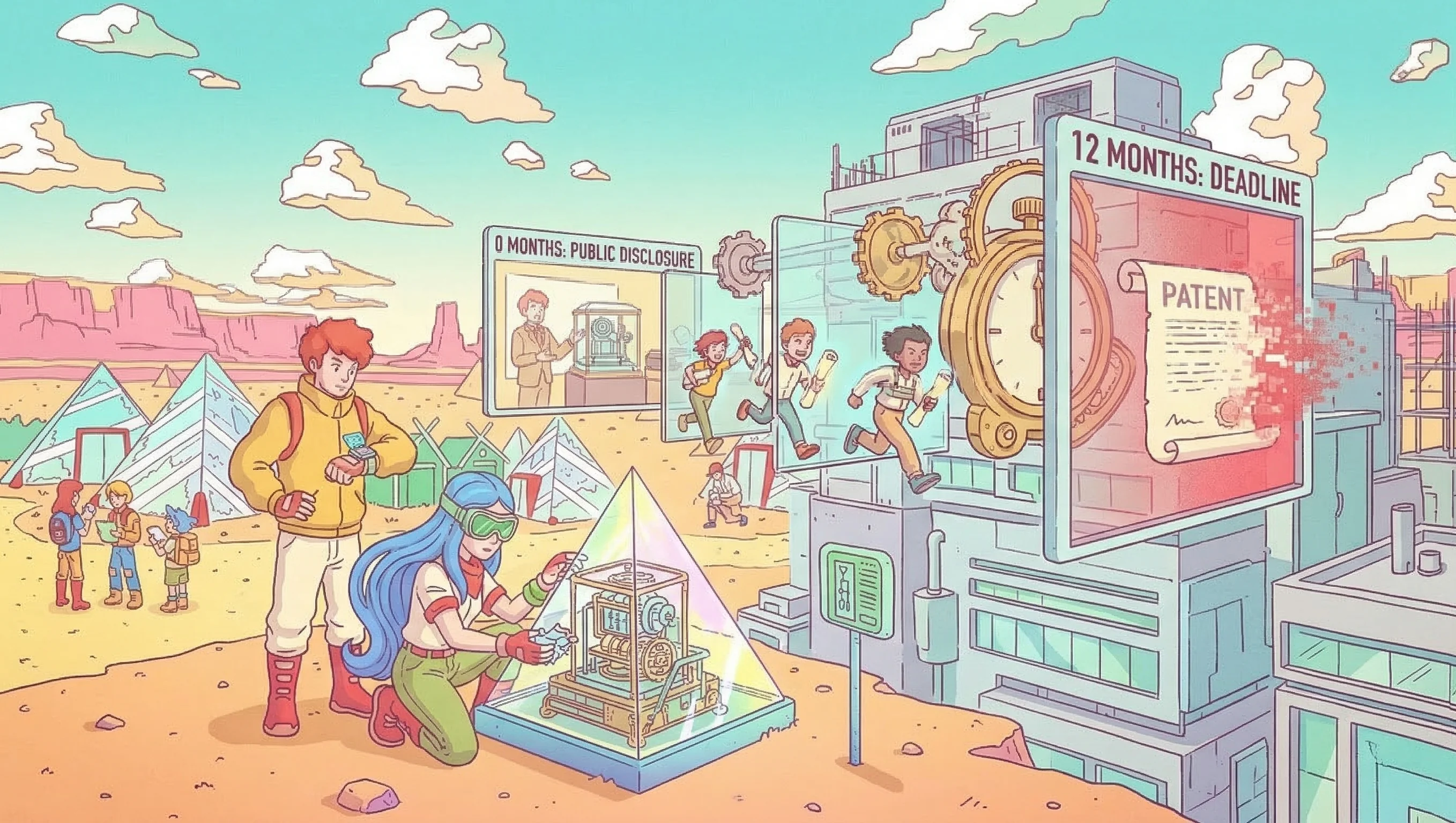
The deadline is simple but unforgiving: you must file the continuation before the parent application issues as a patent or is abandoned.
In practice, this means filing at least two to three months before the expected issue date. Patent attorneys typically monitor the prosecution timeline and flag the window for filing continuations.
Once filed, a continuation can remain pending for years while you figure out what claims to pursue. There is no statutory limit on how many continuations you can file from a single parent, as long as each new continuation is filed while the previous one is still pending. The USPTO may push back on excessive continuation chains, but the legal right exists.
The patent timeline guide covers the broader sequence from provisional filing through grant and maintenance.
When NOT to File a Continuation
Continuations are powerful, but they are not always the right move.
The specification does not support the claims you want. If your parent application did not describe the feature or embodiment you now want to claim, a standard continuation will not help. You need a CIP (if you can link it to the parent) or a new application entirely.
The 20-year clock is running out. Every continuation in a family expires 20 years from the original parent’s non-provisional filing date. If your parent was filed 15 years ago, a continuation only gets 5 years of protection. At some point the remaining term is not worth the prosecution cost.
You are filing just to file. Each continuation costs $6,000 to $17,000. If you do not have a clear strategic reason for the new claims, that money is better spent elsewhere. A continuation without a purpose is just an expensive habit.
The technology has moved on. If the market has shifted away from your invention’s space, additional claims on the same specification do not add value. Protect what matters now, not what mattered five years ago.
The Bottom Line
Continuation patents let you extract more value from a single specification. They are the primary tool for building patent families, responding to competitors, and maintaining flexibility in your IP portfolio.
The cost ($6,000 to $17,000) is meaningful but lower than filing from scratch. The strategic value, when used correctly, far exceeds the cost. The critical constraint is timing: file before the parent issues or goes abandoned.
If you are deciding whether a continuation makes sense for your situation, talk to a patent attorney who understands your technology and your competitive landscape. Browse our patent attorney directory to find practitioners who handle continuation filings, or use our patent cost calculator to estimate total portfolio costs.
.webp)