Patent Guides
Practical patent guides covering costs, timelines, filing strategy, and how to choose the right professional. Based on data from 2,999 patent professionals across all 50 states.
Start Here
How Much Does a Patent Cost in 2026?
Patents cost $5,000 to $15,000+ depending on complexity. Full breakdown of provisional, utility, and design patent pricing with real USPTO fee tables.
Patent Filing Checklist (2026): Every Step From Idea to Grant
6-step patent filing checklist covering costs ($5,000-$15,000), timelines (2-3 years), and what to do at each stage from documentation to patent grant.

Patent FAQ: 37 Common Patent Questions Answered (2026)
Answers to 37 common patent questions based on data from 2,999 patent professionals. Covers costs, timelines, requirements, strategy, and prior art.
Getting Started
7 guides for inventors filing their first patent, from requirements to the filing checklist.
Can I Patent an Idea? What the USPTO Actually Requires
You can file a patent for $2,000-$6,000 without building a prototype. But you cannot patent a bare idea. Here is the line and what you need to file.
Can You Patent an Improvement to an Existing Product?
Over 80% of issued patents are improvements to existing products. How improvement patents work, what makes them strong, and how to file one.
How to Read a Patent: A Section-by-Section Guide
A U.S. patent has 7 standard sections. Most people should read the claims first. How to read each section and what to look for.
Is My Invention Too Simple for a Patent?
Some of the most valuable patents protect simple inventions. The pop-top can tab, the Post-it adhesive, and the one-click button all generated billions.
Patent FAQ: 37 Common Patent Questions Answered (2026)
Answers to 37 common patent questions based on data from 2,999 patent professionals. Covers costs, timelines, requirements, strategy, and prior art.
Patent vs Copyright vs Trademark: Which Do You Need?
A patent costs $5,000-$15,000+, a copyright costs $45-$125, a trademark costs $250-$750. Cost, duration, and registration compared.
How to Patent an Idea With No Money in 2026
You can file a provisional patent for $80 as a micro entity. Free attorney help exists through USPTO pro bono and law school clinic programs. Full breakdown.
Costs
15 guides covering every type of patent cost, from $80 micro-entity provisionals to $150,000+ international filings.
How Much Does a Biotech Patent Cost in 2026?
Biotech patents cost $10,000 to $20,000+ for a non-provisional filing. Our research shows an average of $9,900. Full cost breakdown.
How Much Does an Electrical Patent Cost in 2026?
Electrical patents cost $8,000 to $16,000+ for a non-provisional filing. Our research shows an average of $8,900. Full cost breakdown.
How Much Does a Mechanical Patent Cost in 2026?
Mechanical patents cost $7,000 to $15,000+ for a non-provisional filing. Our research shows an average of $9,300. Full cost breakdown by complexity.
Patent Maintenance & Renewal Fees in 2026: Schedule, Costs & Deadlines
USPTO patent renewal and maintenance fees are due at 3.5, 7.5, and 11.5 years after grant. Full fee schedule by entity size, grace periods, and lapse decisions.
How Much Does a Patent Cost for a Small Business in 2026?
Small businesses save 50-80% on USPTO fees. A provisional costs $2,000-$6,000 total. Full breakdown of entity discounts, attorney fees, and budgeting tips.
How Much Does a Software Patent Cost in 2026?
Software patents cost $8,000 to $15,000+ for filing. Our research shows the average non-provisional runs $8,800. Full breakdown by complexity.
International Patent Cost in 2026: PCT Filing and Country-by-Country Breakdown
International patents cost $50,000 to $150,000+ across multiple countries. Learn the PCT process, per-country filing costs, and how to choose where to file.
Medical Device Patent Cost in 2026: Full Breakdown
Medical device patents cost $15,000 to $30,000+ for a utility patent. Covers FDA coordination, device classification, and cost by patent type.
How Much Does a Patent Attorney Cost in 2026?
Patent attorneys charge $5,000 to $15,000 for a utility patent. Full breakdown of hourly rates, flat fees, and costs by service type based on 2,999 attorney listings.
Plant Patent Cost in 2026: Complete Guide for Plant Breeders
Plant patents cost $5,000 to $13,000 total. Covers asexual reproduction requirements, Plant Variety Protection comparison, and USPTO fee breakdown.
How Much Does a Provisional Patent Cost in 2026?
Real provisional patent pricing from attorneys across all 50 states. Average cost: $4,035. Breakdown by invention type and filing approach.
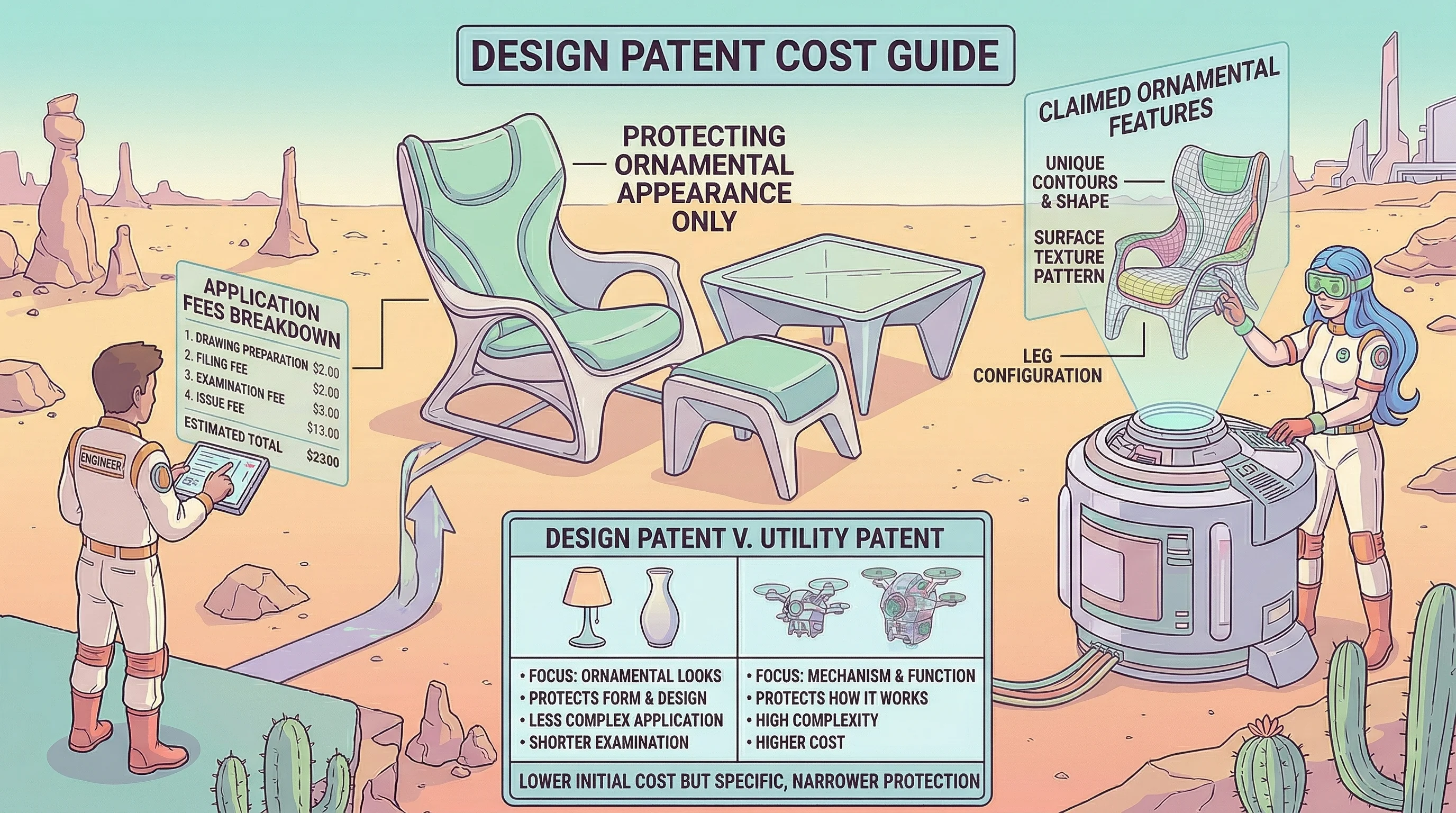
How Much Does a Design Patent Cost in 2026?
Design patents cost $1,500 to $3,000 total. No maintenance fees. Protects how your product looks for 15 years. Full cost breakdown and timeline.
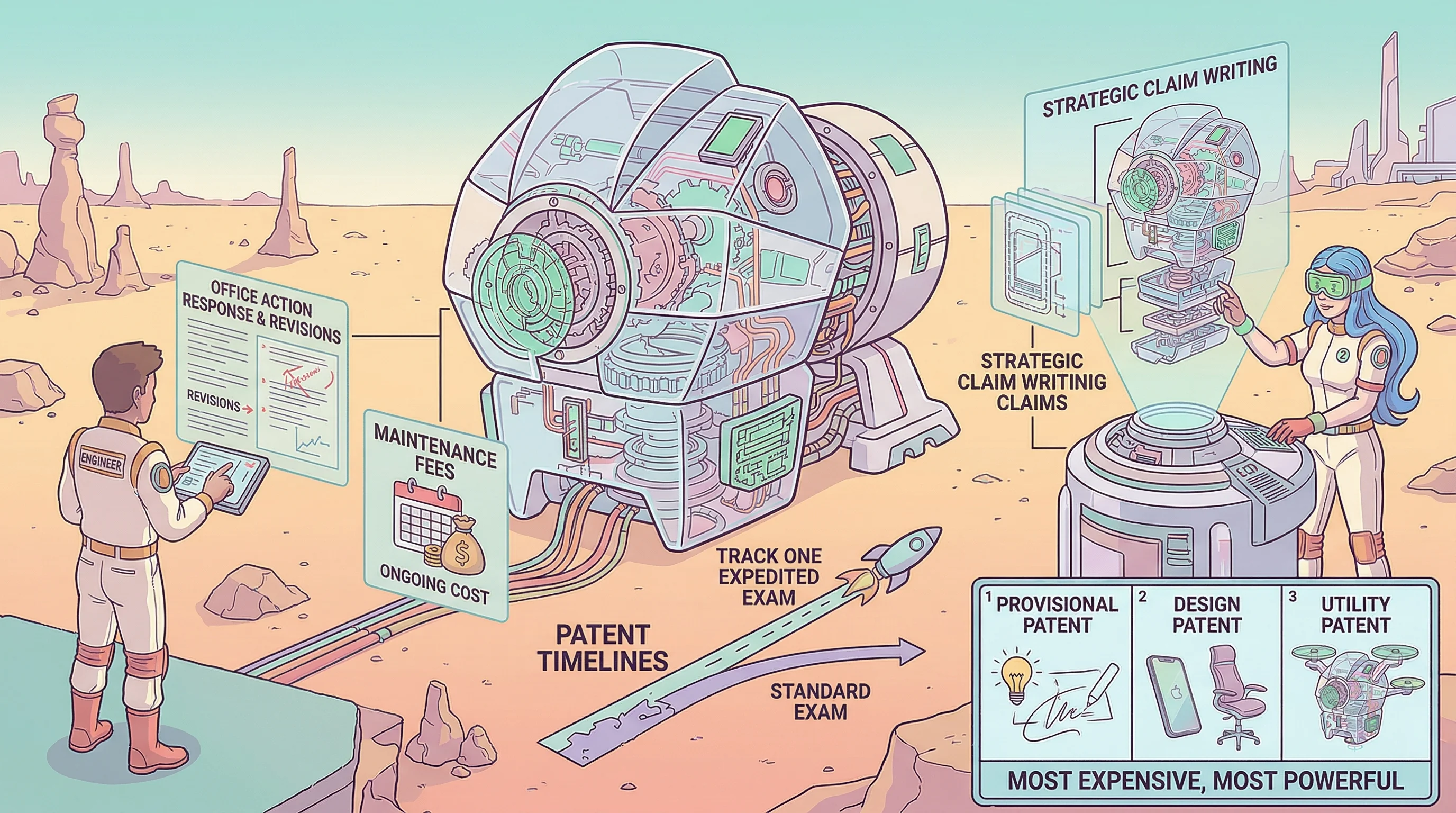
How Much Does a Utility Patent Cost in 2026?
Utility patents cost $10,000 to $15,000 on average through grant, plus maintenance fees over 20 years. Real pricing by complexity tier.
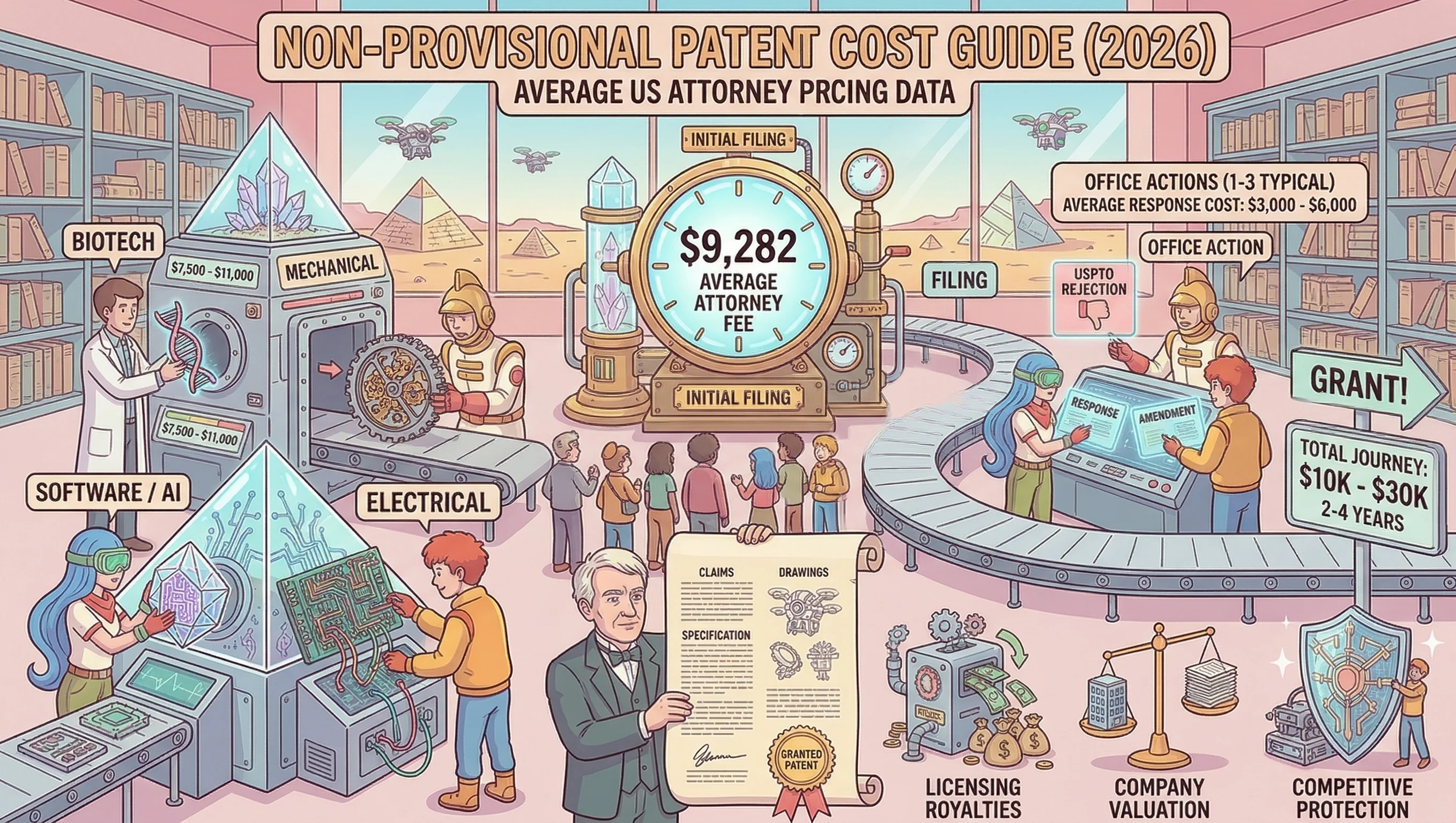
How Much Does a Non-Provisional Patent Cost in 2026?
Real non-provisional patent pricing from 200+ attorneys. Average cost: $9,086. Breakdown by invention type, office actions, and total through grant.
How Much Does a Patent Cost in 2026?
Patents cost $5,000 to $15,000+ depending on complexity. Full breakdown of provisional, utility, and design patent pricing with real USPTO fee tables.
Process
10 guides walking through each stage from filing to grant, including office actions, timelines, and maintenance.
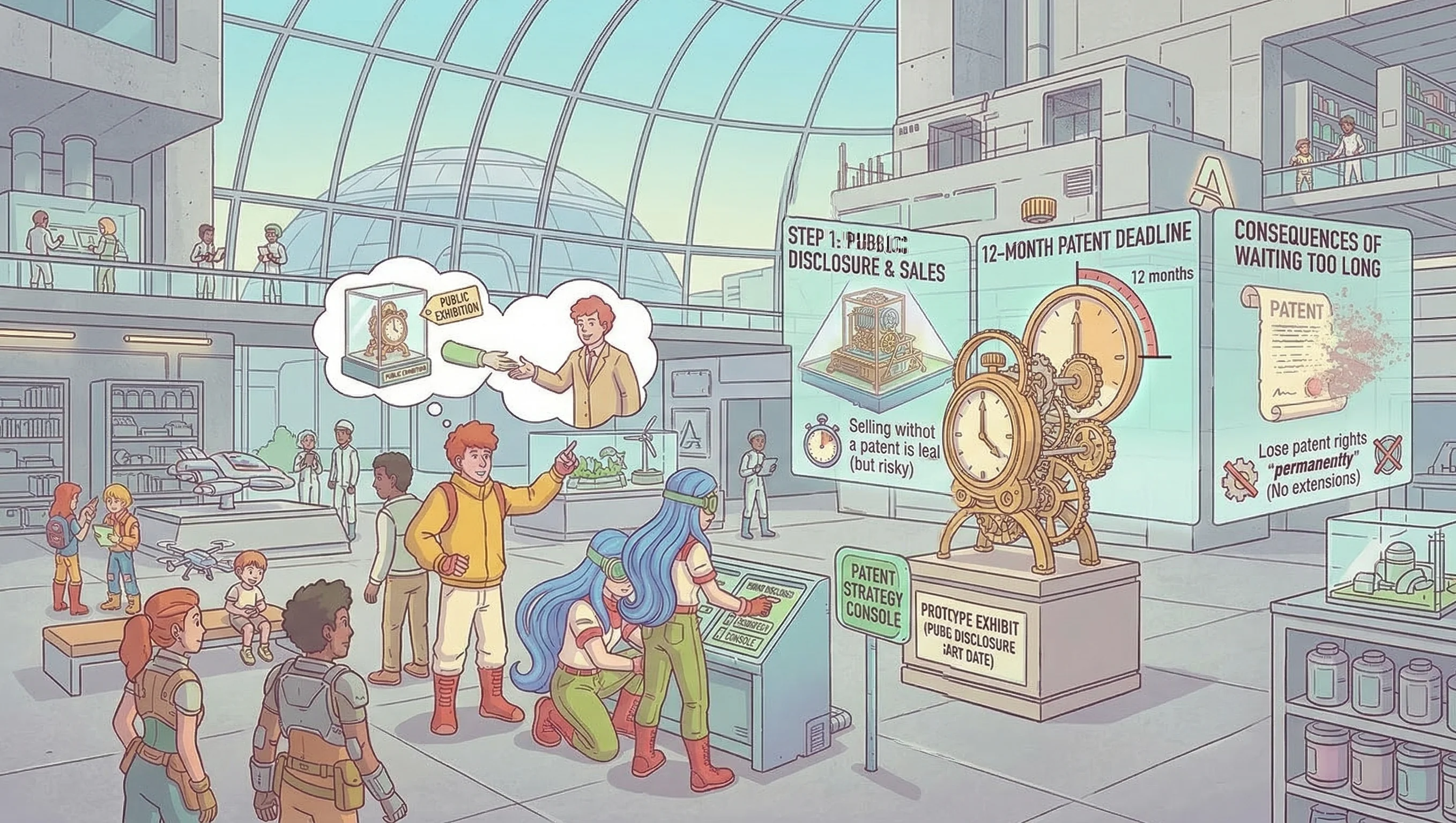
Do You Need a Patent Before Selling Your Product?
You have 12 months from your first public sale to file a patent. Miss it and you lose the right forever. Why timing matters.
Patent Drawings: Requirements, Cost, and Tips (2026)
Patent drawings cost $75-$150 per sheet, with most applications needing 4-8 sheets ($300-$800 total). USPTO requirements, DIY options, and common mistakes.
Patent Filing Checklist (2026): Every Step From Idea to Grant
6-step patent filing checklist covering costs ($5,000-$15,000), timelines (2-3 years), and what to do at each stage from documentation to patent grant.
How to Do a Patent Search: Free Tools and Step-by-Step Guide
Professional patent searches cost $500-$3,000. A DIY search using free tools takes 2-4 hours. Step-by-step process and when to hire a professional.
Continuation Patents: Types, Costs & Strategy
Continuation patents cost $6,000 to $17,000 and let you file new claims under an earlier priority date. Covers continuations, CIPs, and divisionals.
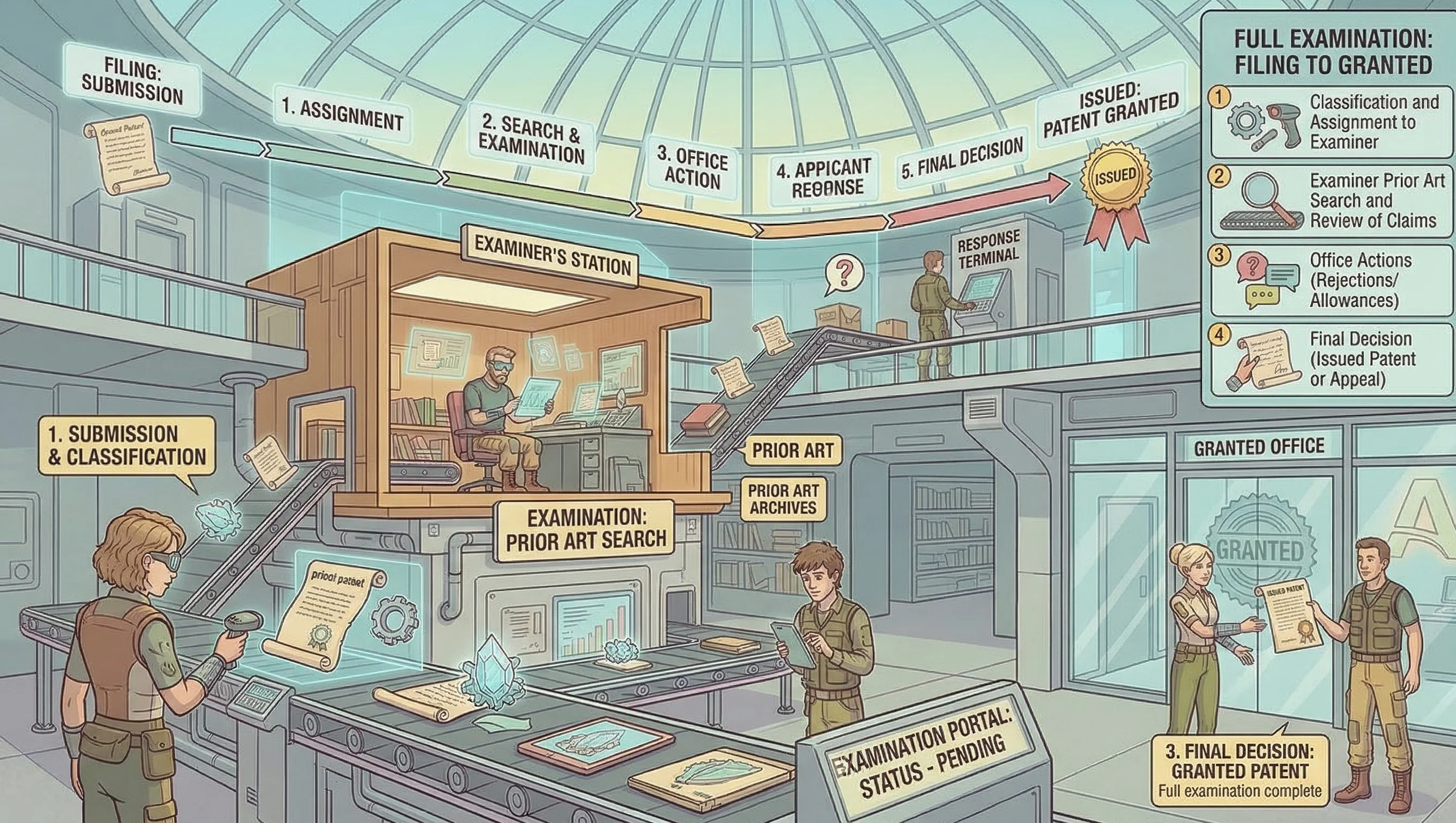
Patent Office Actions & Rejections: What They Are & How to Respond
86% of patent applications receive at least one office action (rejection). Learn the types, deadlines, response strategies, and costs ($1,000 to $5,000) for each.
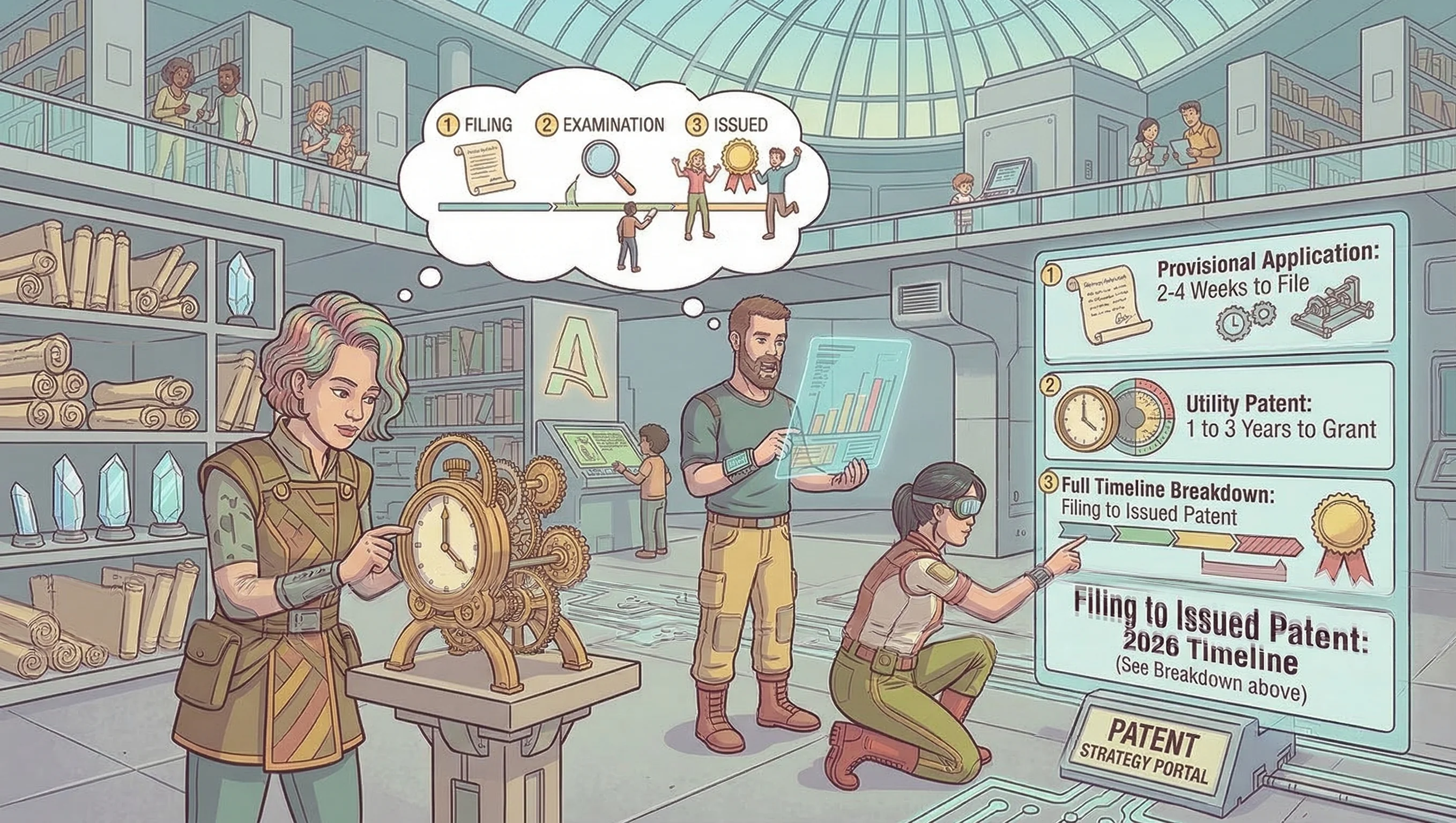
How Long Does It Take to Get a Patent in 2026?
A provisional takes 2-4 weeks to file. A utility patent takes 1 to 3 years to grant. Full timeline breakdown from filing to issued patent.
What Happens After You File a Patent Application
Expect your first USPTO office action about 15 months after filing. Total examination takes 1-3 years. Step-by-step guide through patent examination.
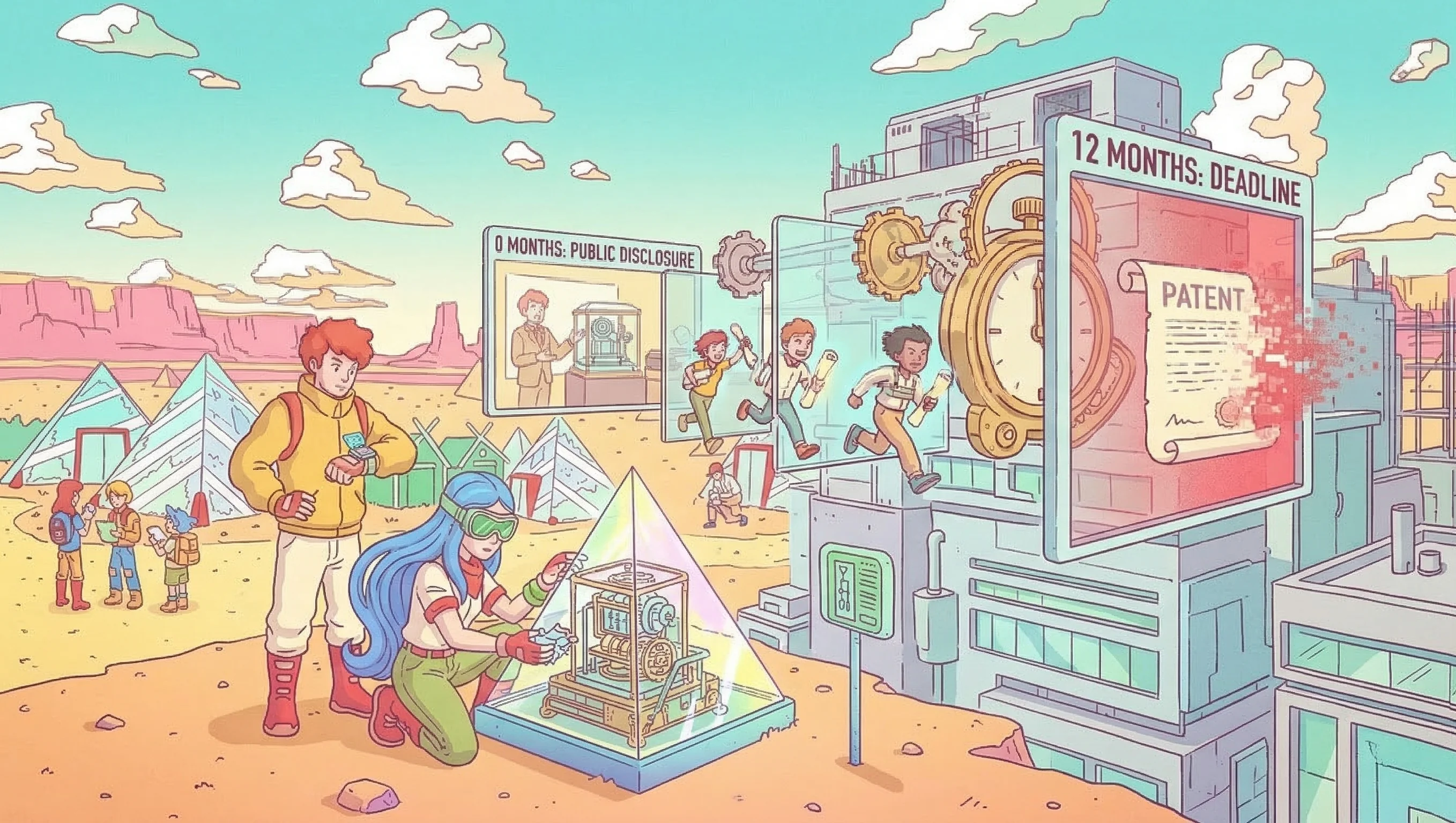
The 12-Month Patent Filing Deadline
Once you publicly disclose your invention, you have 12 months to file a patent application. Miss the deadline and you lose your patent rights permanently.
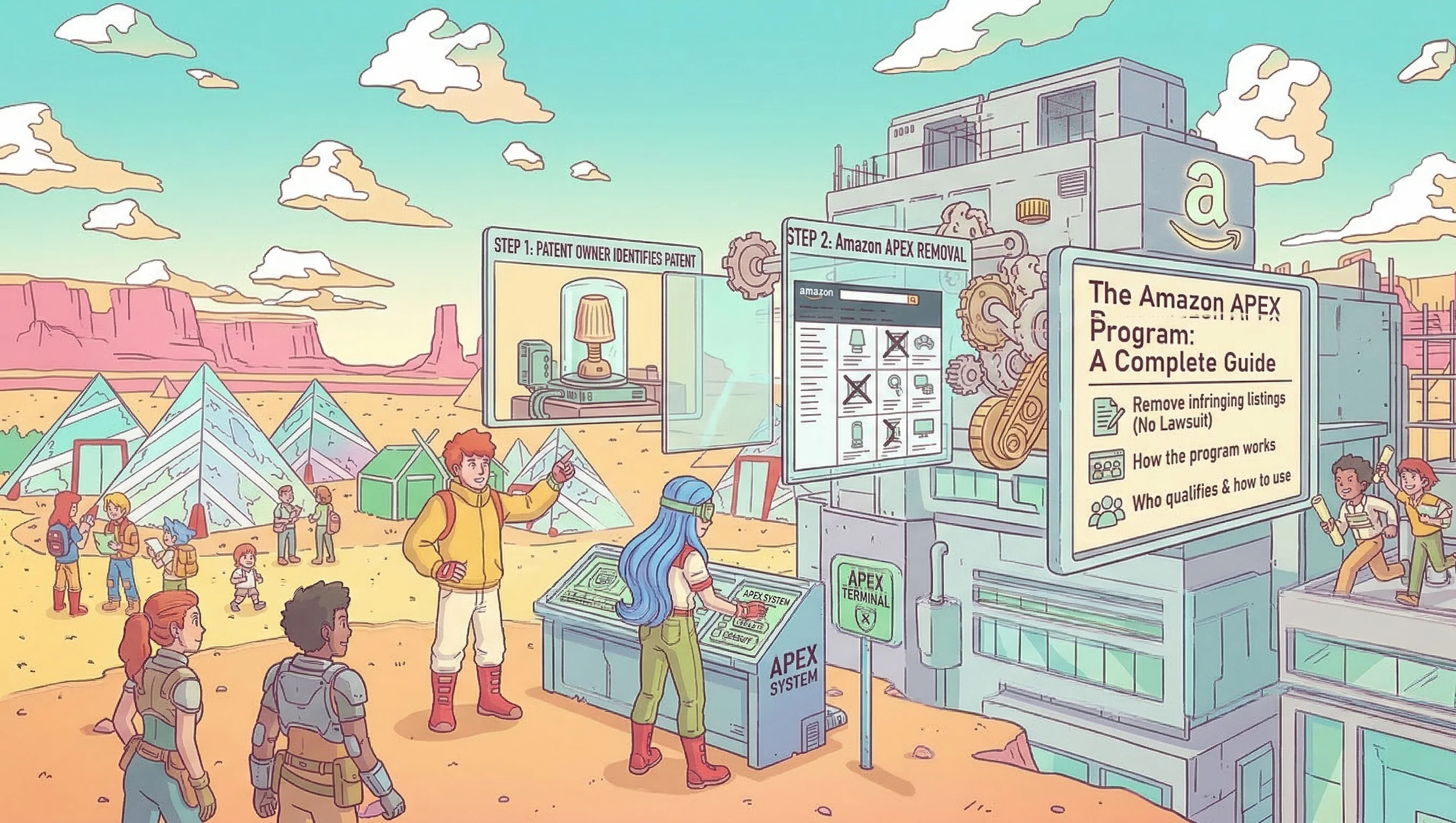
The Amazon APEX Program: A Complete Guide
Amazon APEX lets patent holders remove infringing listings without filing a lawsuit. How the program works, who qualifies, and how to use it.
Strategy
11 guides on patent strategy for startups, software, food products, medical devices, and monetization.
.webp)
How AI Is Changing Amazon (And Why Patents Matter More)
AI tools cut Amazon product development costs 30-50%, but every competitor has access too. Patents are the only moat AI cannot replicate.
How to Patent a Food Product or Recipe in 2026
Food patents cost $8,000-$20,000. You cannot patent a recipe, but you can patent a novel food composition or processing method.
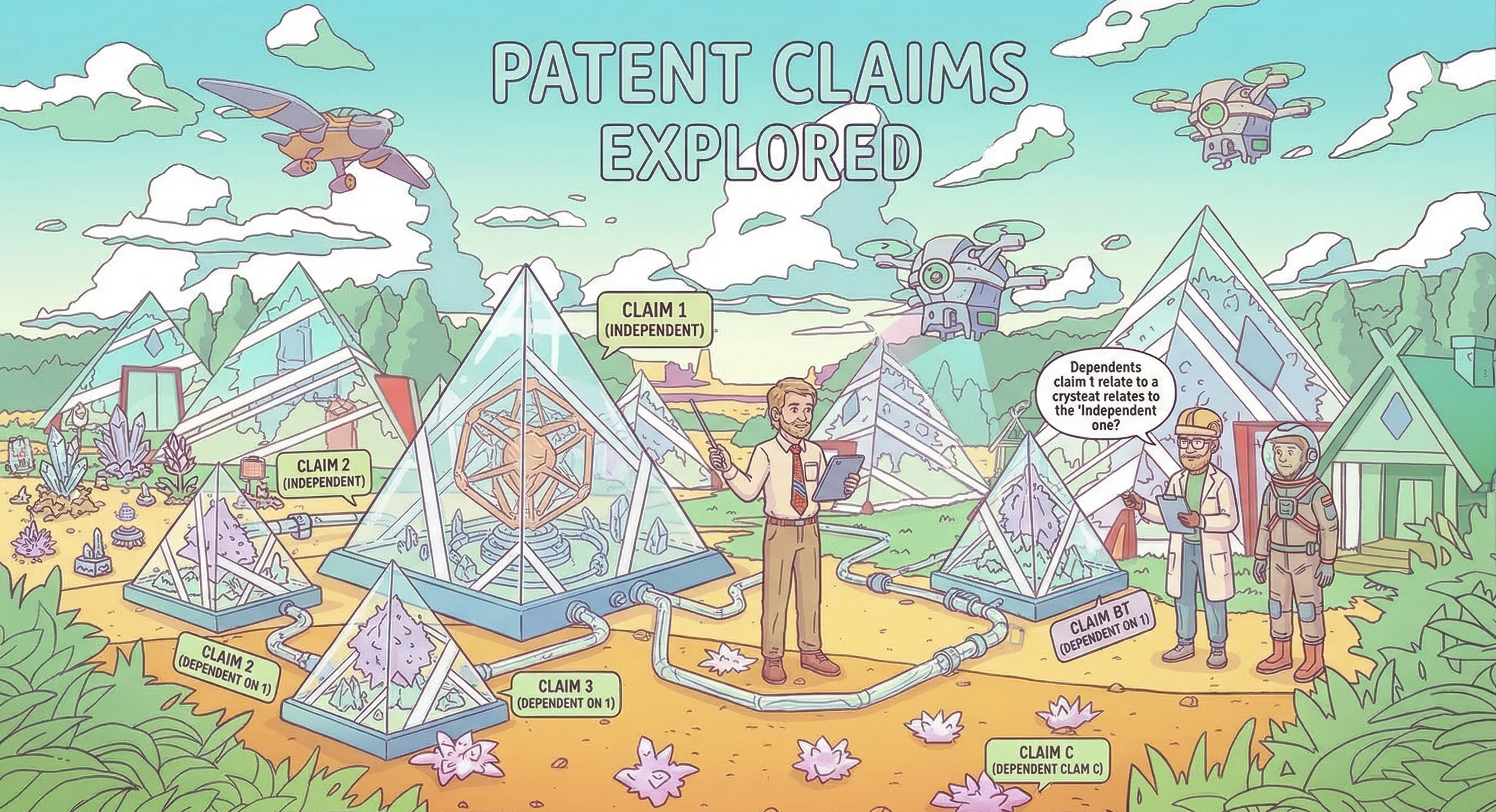
Patent Claims Explained: Independent vs. Dependent
The average utility patent has 15-25 claims. The USPTO base fee covers 3 independent and 20 total. How claims work and what extras cost.
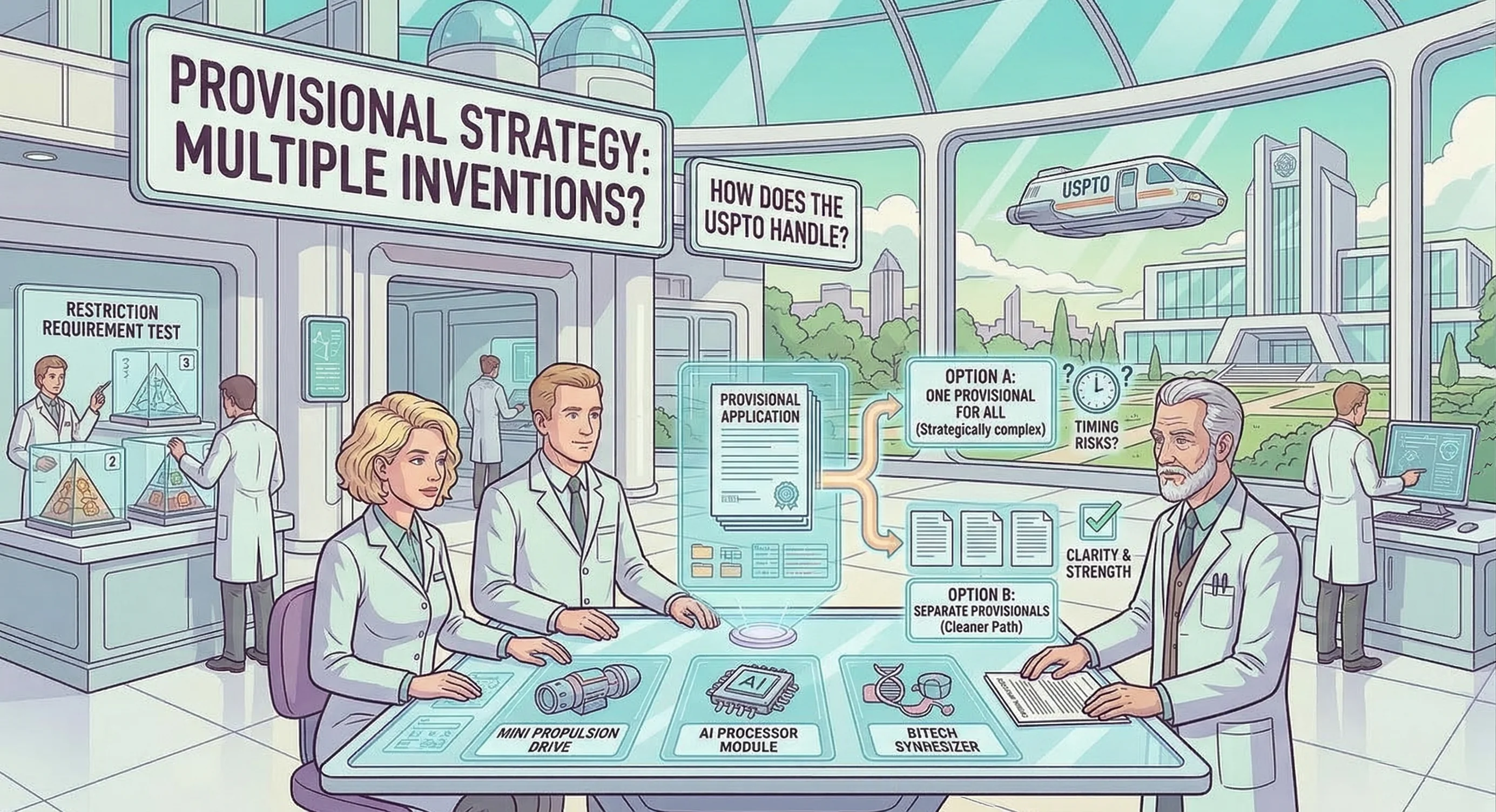
Can You Include Multiple Inventions in One Patent Application?
You can file unlimited inventions in one provisional for $320. But the non-provisional will likely be split at $1,820+ each.
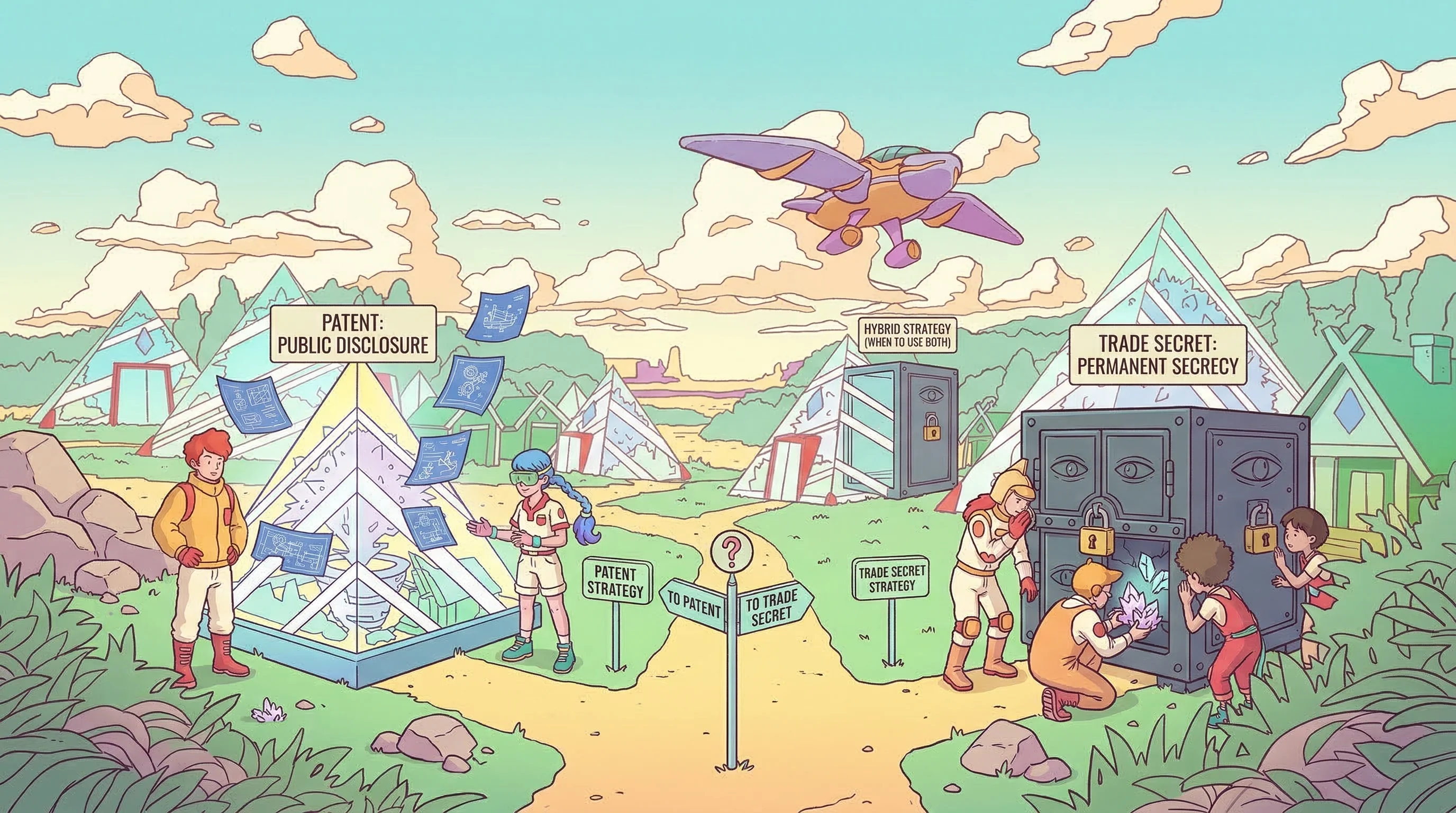
Patents vs. Trade Secrets: Which Protection Is Right?
A patent gives 20 years of exclusivity but requires public disclosure. A trade secret lasts indefinitely but dies if reverse-engineered.
How to Patent Clothing and Fashion Designs in 2026
Design patents for clothing cost $1,500 to $4,000. But most fashion brands use trademarks and trade dress instead. When each protection type makes sense.
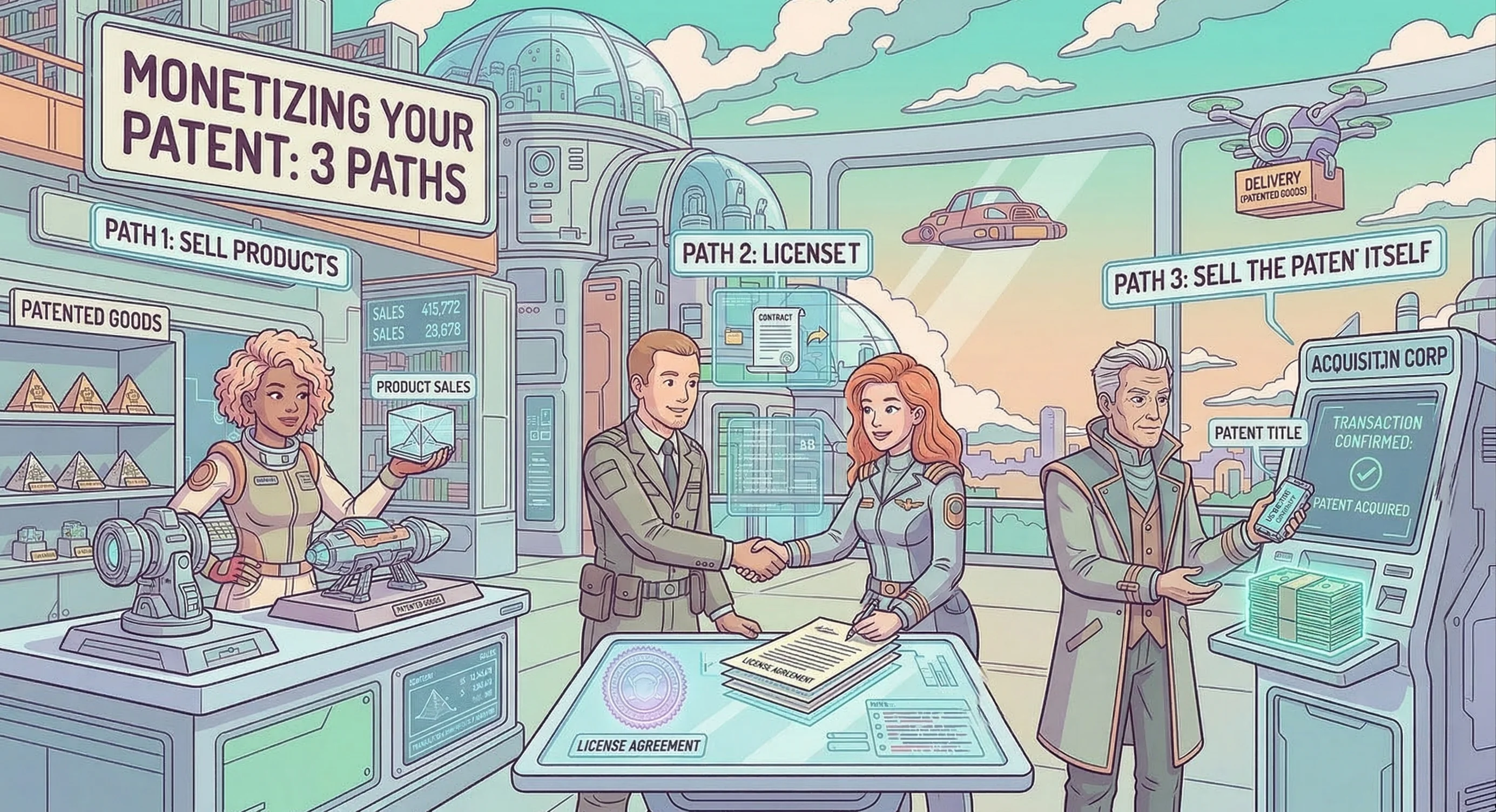
How to Monetize Your Patent: 3 Paths
Three ways to profit from a patent: sell products with exclusivity, license for 2-5% royalties, or sell outright ($10,000-$500,000+). When each path makes sense.
How to Patent Software & Apps: Eligibility, Costs & the Alice Test
Software and app patents cost $8,000 to $15,000+ and must pass the Alice test. Learn what qualifies, how to frame claims, and when to hire a specialist.
Patent Infringement: What It Is and What You Can Do About It
Patent infringement means someone makes, uses, or sells your invention without permission. Options from licensing ($2K) to litigation ($500K+).
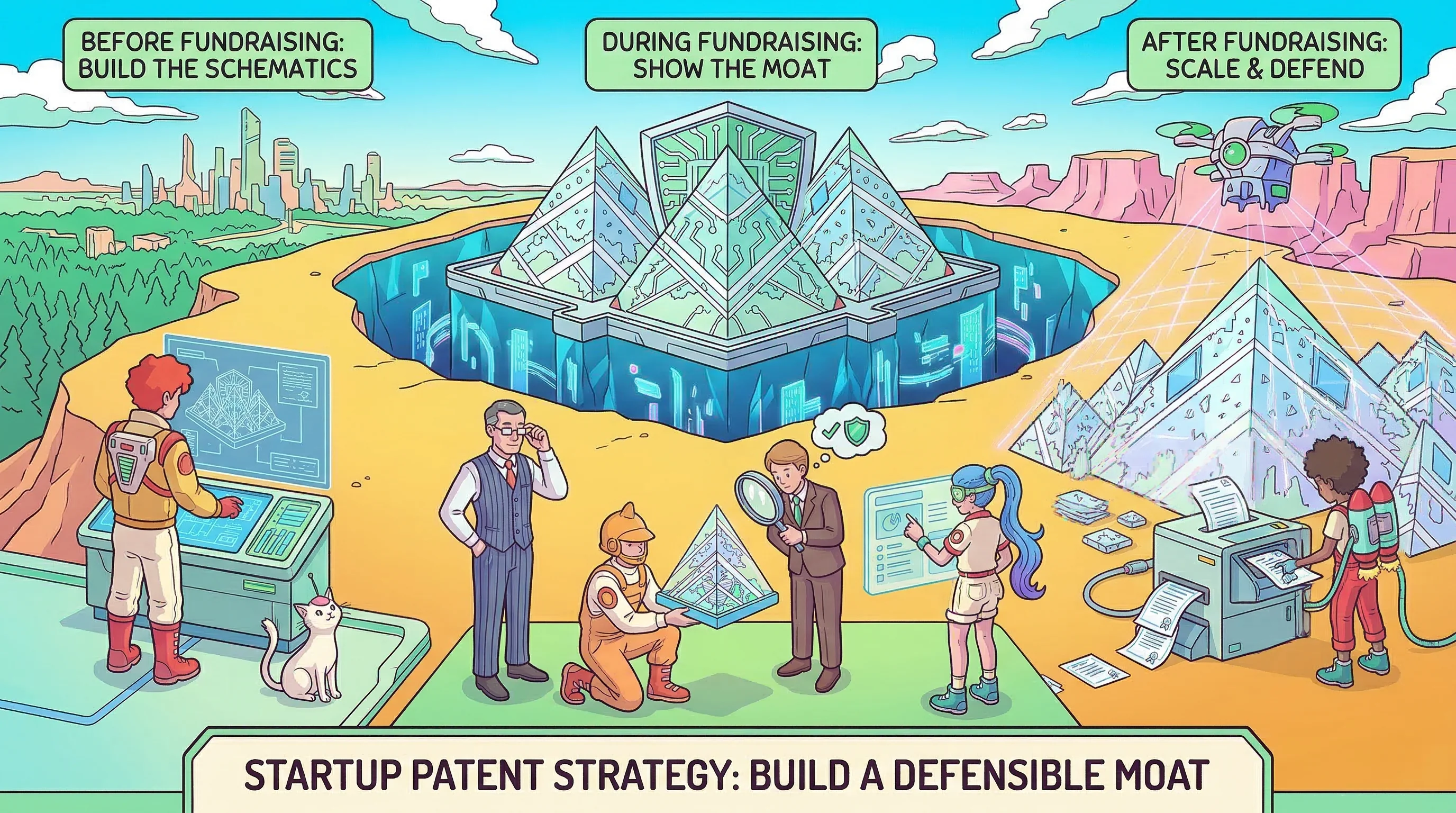
Patent Strategy for Startups: When to File and What It Costs
File a provisional ($2,000-$5,000) before pitching investors. Most startups qualify for 50-80% USPTO fee discounts. Budgeting, timing, and when to skip patents.
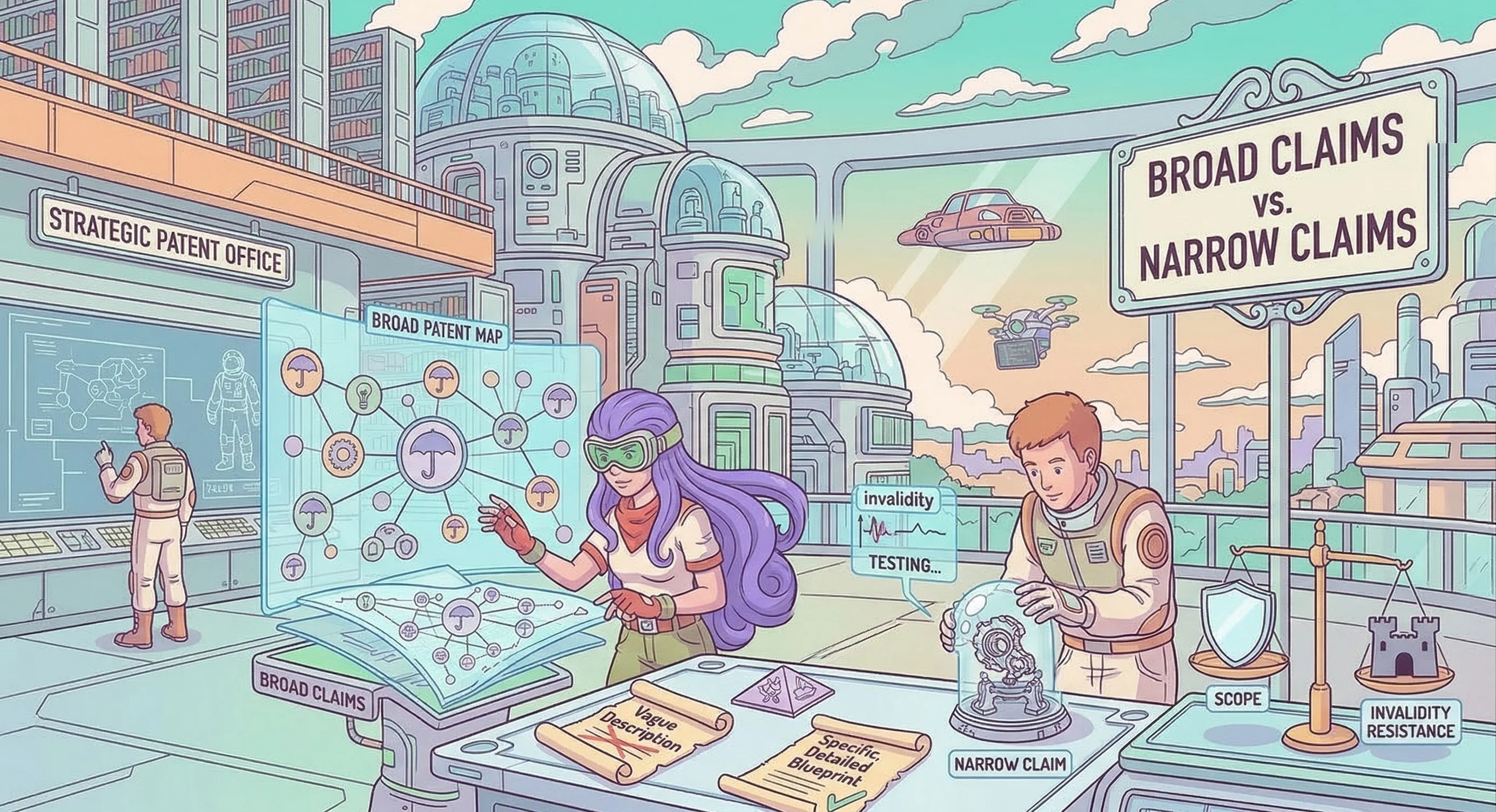
Broad Claims vs. Narrow Claims: Why You Need Both
Broad patent claims maximize protection scope. Narrow claims are harder to invalidate. The best applications use both. Here is how the strategy works.
Compare
6 side-by-side comparison guides and honest reviews of patent services.
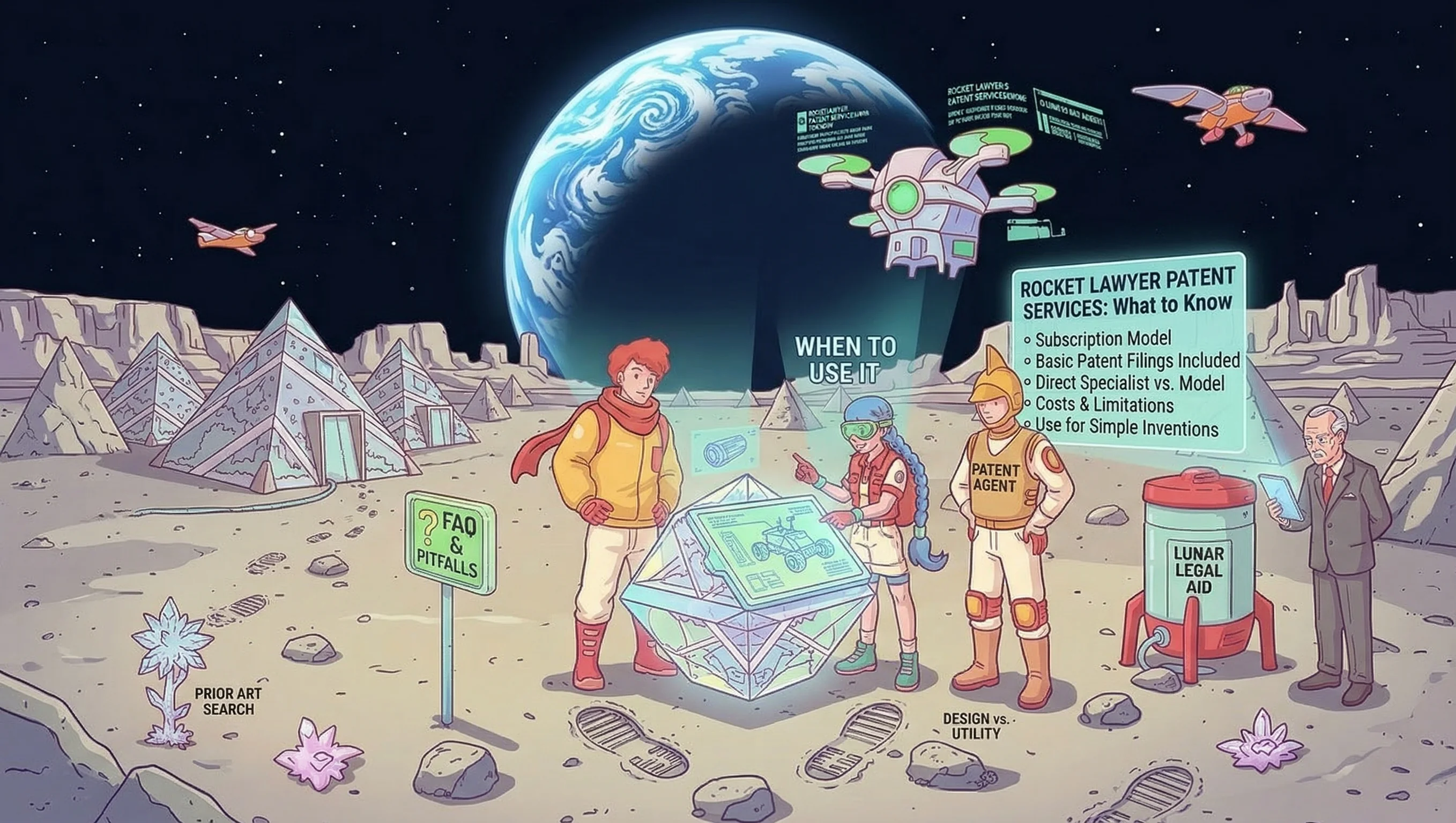
Rocket Lawyer Patent Services: What to Know
Rocket Lawyer charges $39.99/month plus attorney fees and USPTO fees. How it compares to hiring a patent specialist directly.
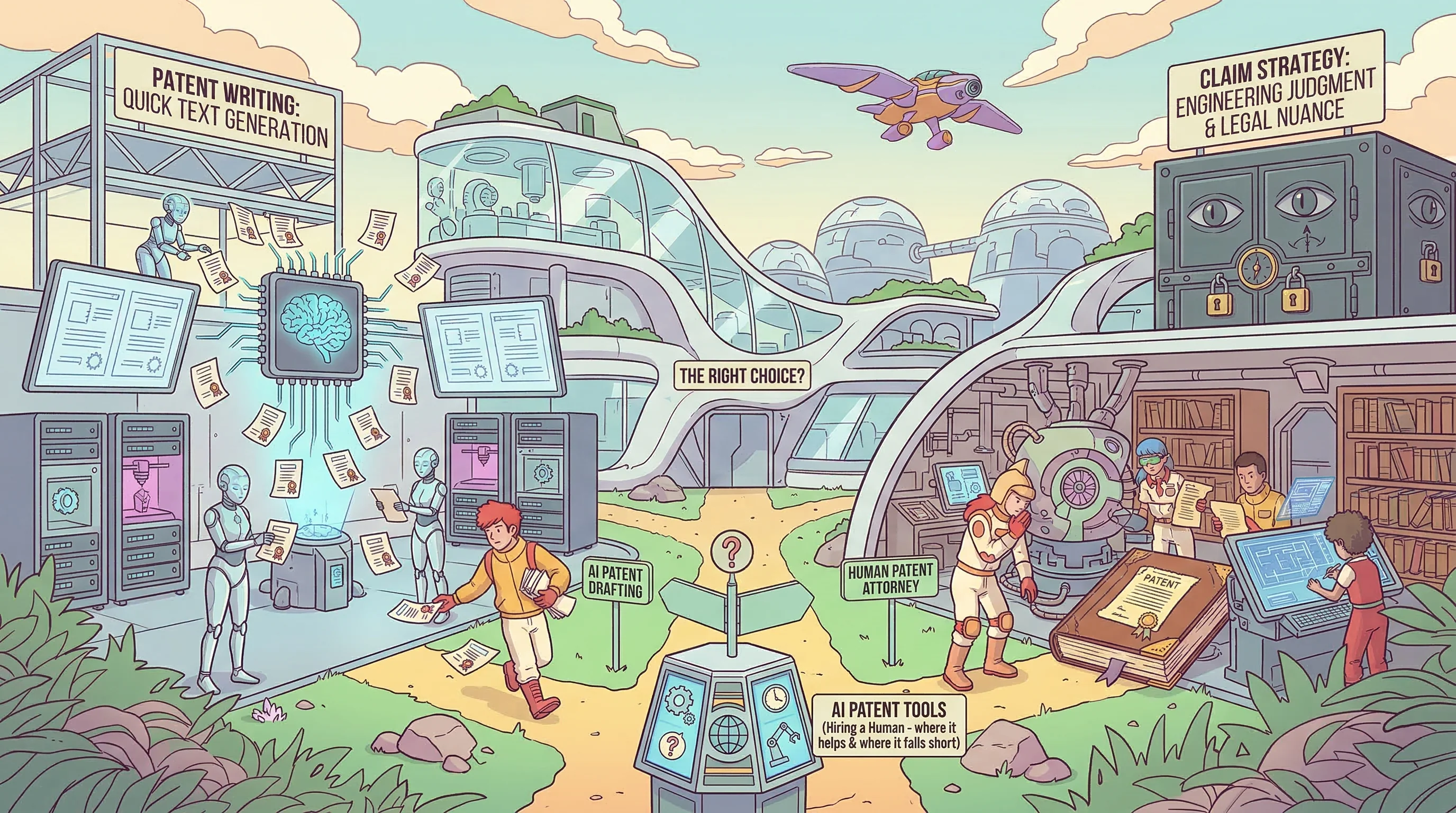
AI Patent Writing Tools in 2026: Do They Replace Attorneys?
AI patent tools cost $100-$500 per draft. Human patent attorneys charge $2,000-$15,000+. Where AI helps, where it falls short, and when to use each.
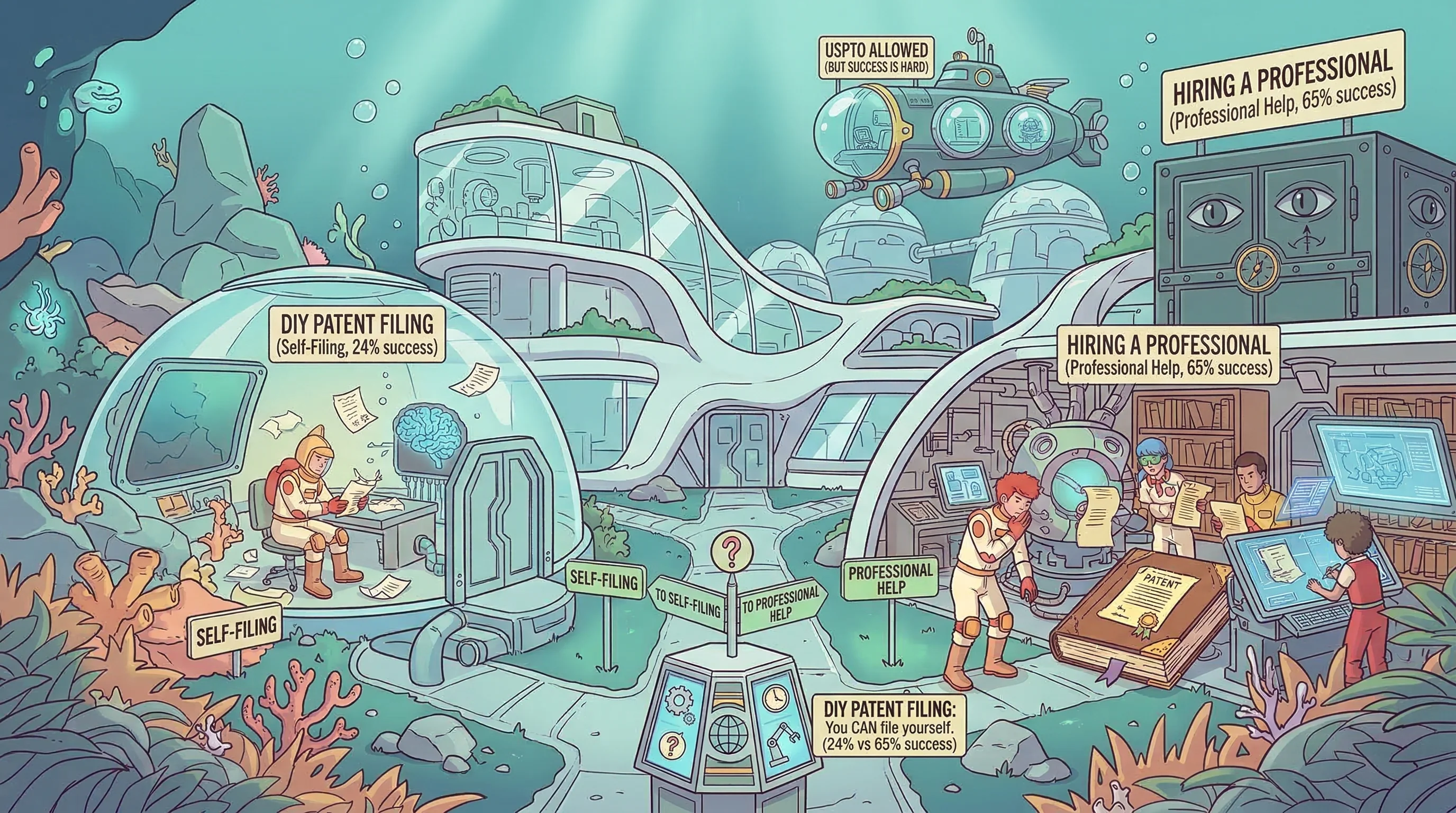
DIY Patent Filing vs. Hiring a Professional
You can file a patent yourself. The USPTO allows it. But self-filers succeed 24% of the time vs 65% with professional help. Here's why the gap exists.
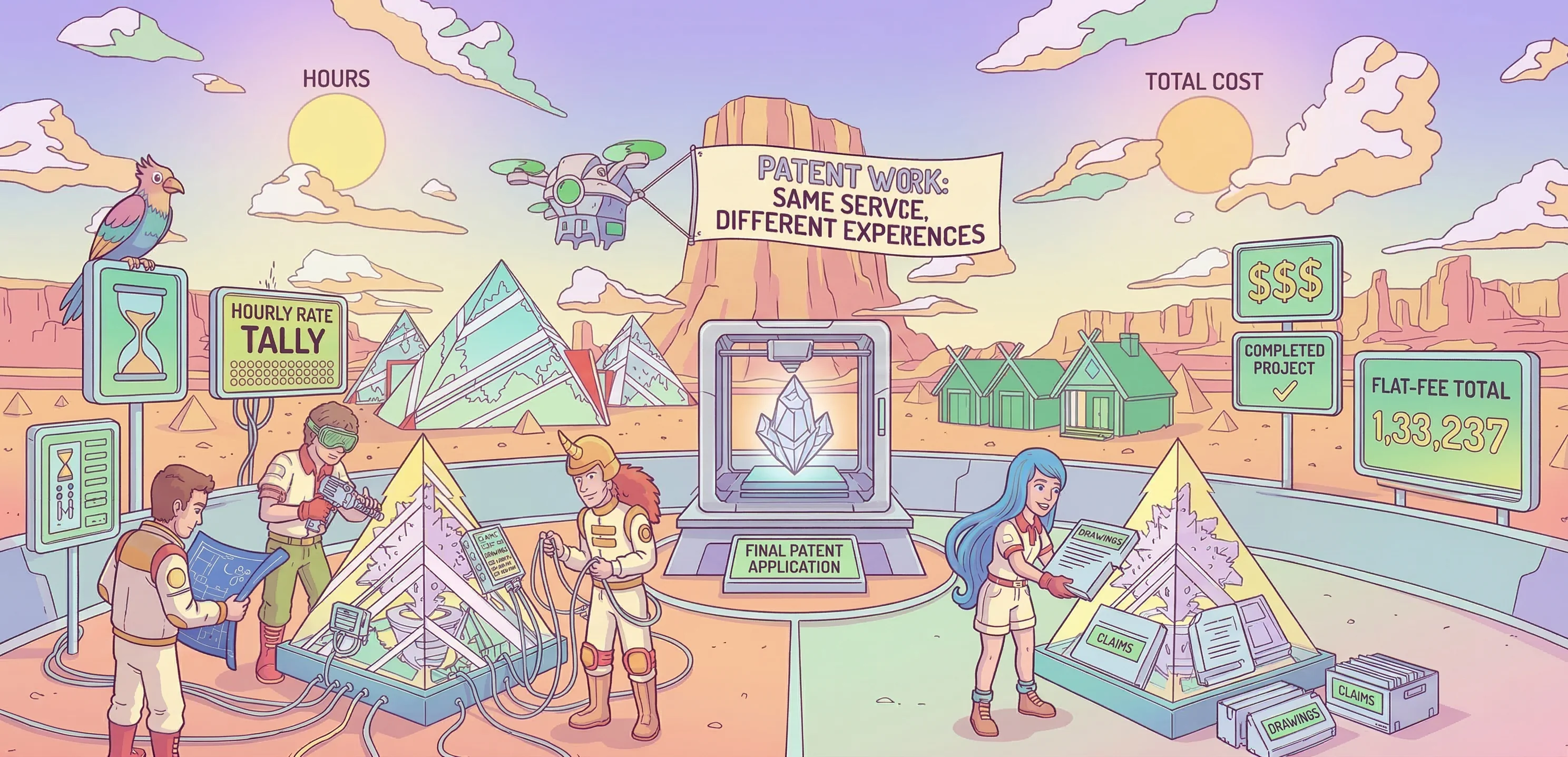
Flat Fee vs. Hourly: How Patent Attorneys Charge in 2026
Flat fee patent filing costs $2,000-$8,000. Hourly rates run $300-$600/hr and often total 20-40% more. Side-by-side comparison with real pricing data.
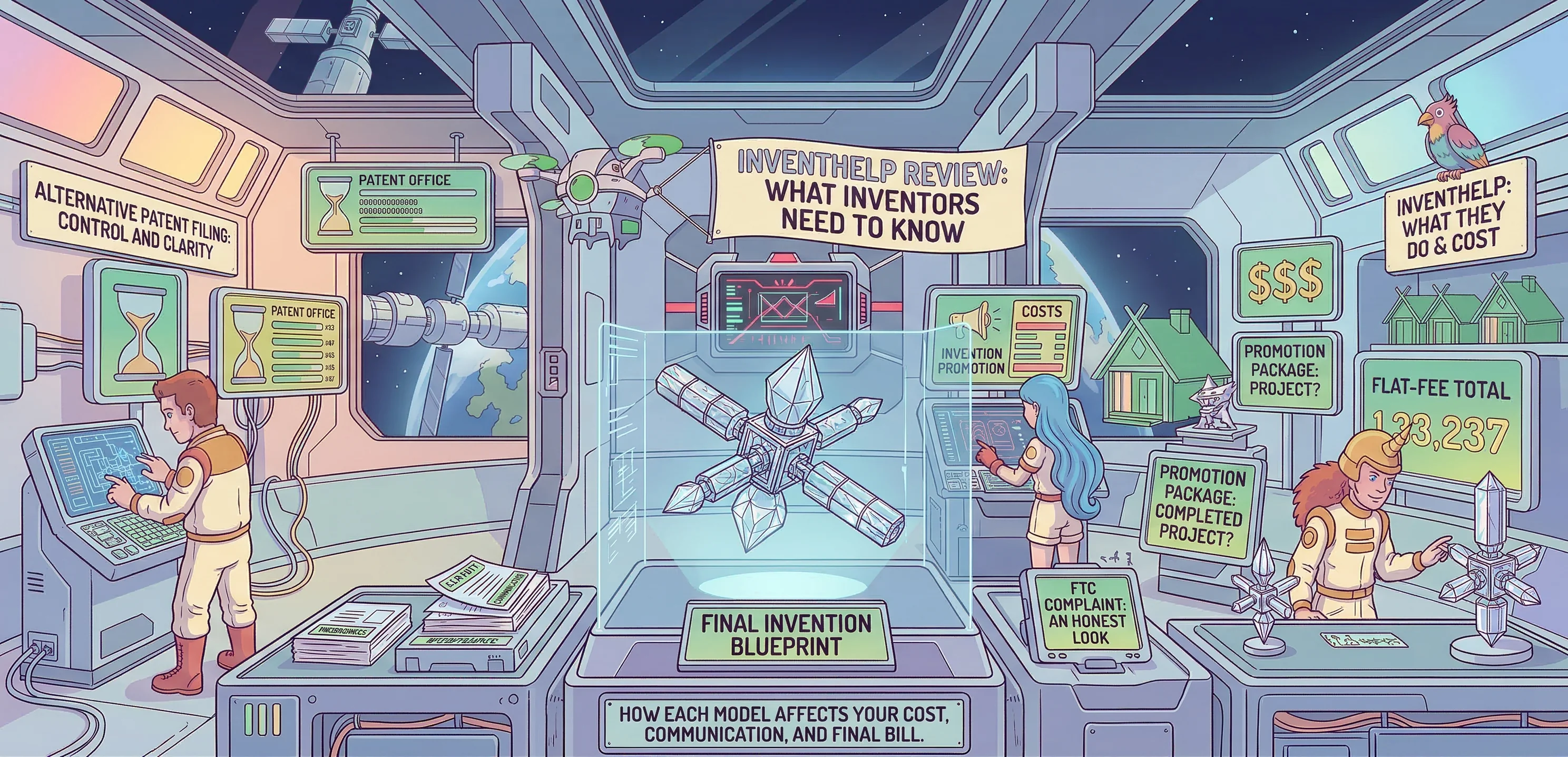
InventHelp Review: What Inventors Need to Know
An honest look at InventHelp, the invention promotion company. What they do, what it costs, the FTC complaint, and what alternatives exist for patent filing.
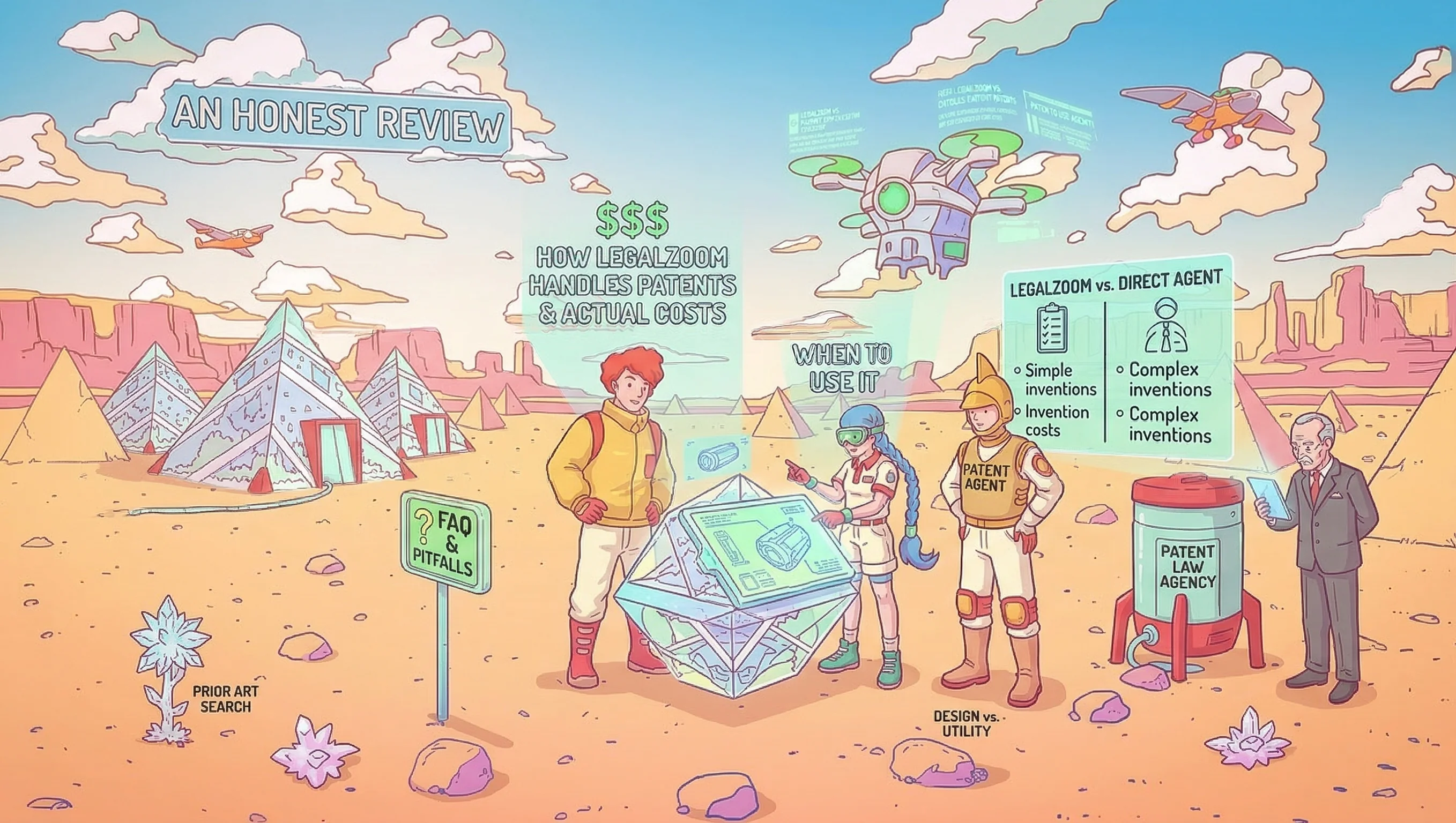
LegalZoom Patent Services: An Honest Review
How LegalZoom handles patent applications, what it actually costs, and when it makes sense vs. hiring a patent agent or attorney directly.
Basics
5 guides covering the fundamental legal requirements for patentability.
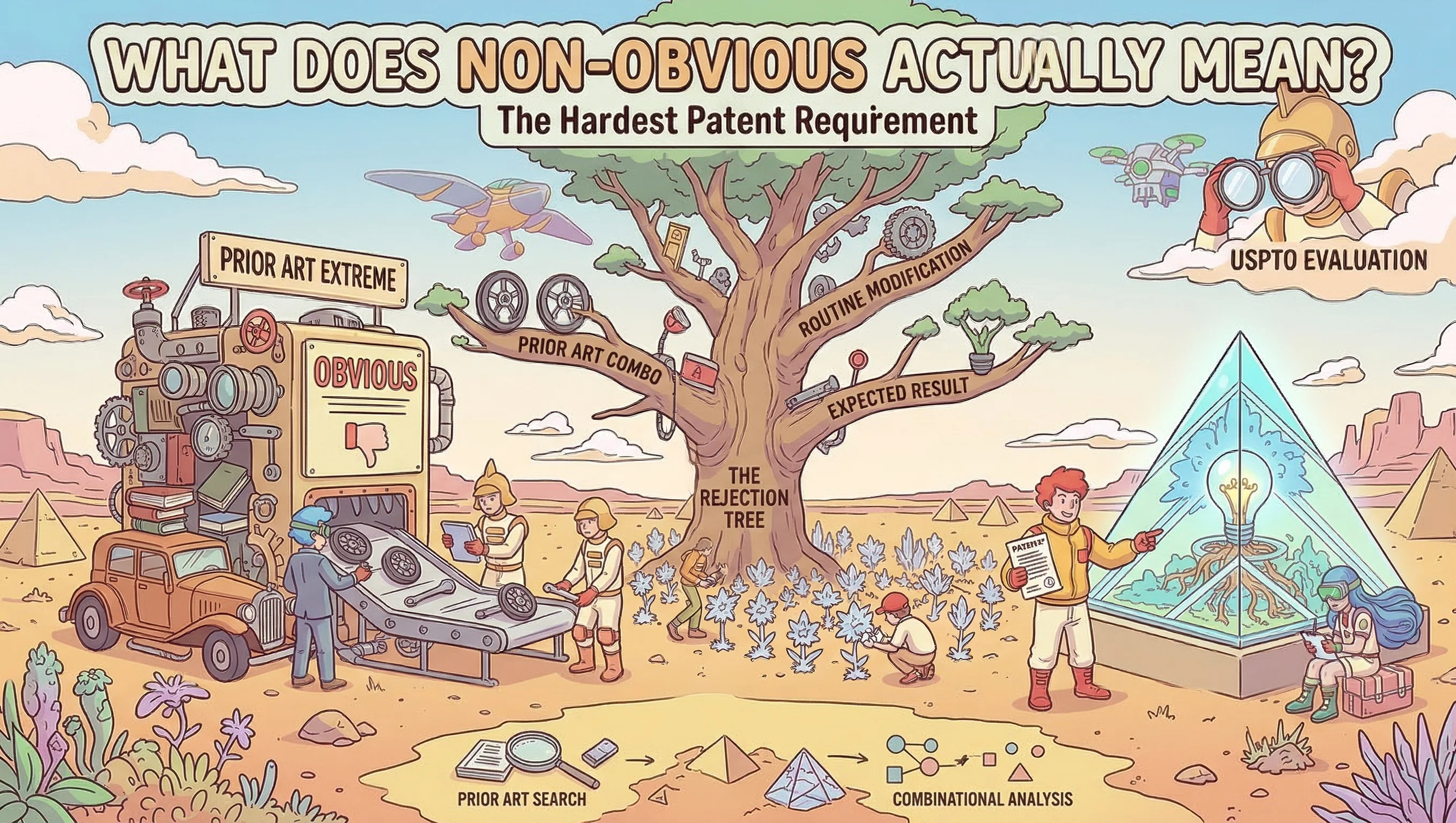
What Does Non-Obvious Actually Mean?
Non-obviousness causes more patent rejections than any other requirement. How the USPTO evaluates it and how to overcome a 103 rejection.
Patent Pending: What It Means and How to Get It in 2026
Patent pending status costs $2,000-$6,000 through a provisional filing. Learn what legal protection it provides, how long it lasts, and the exact steps to get it.
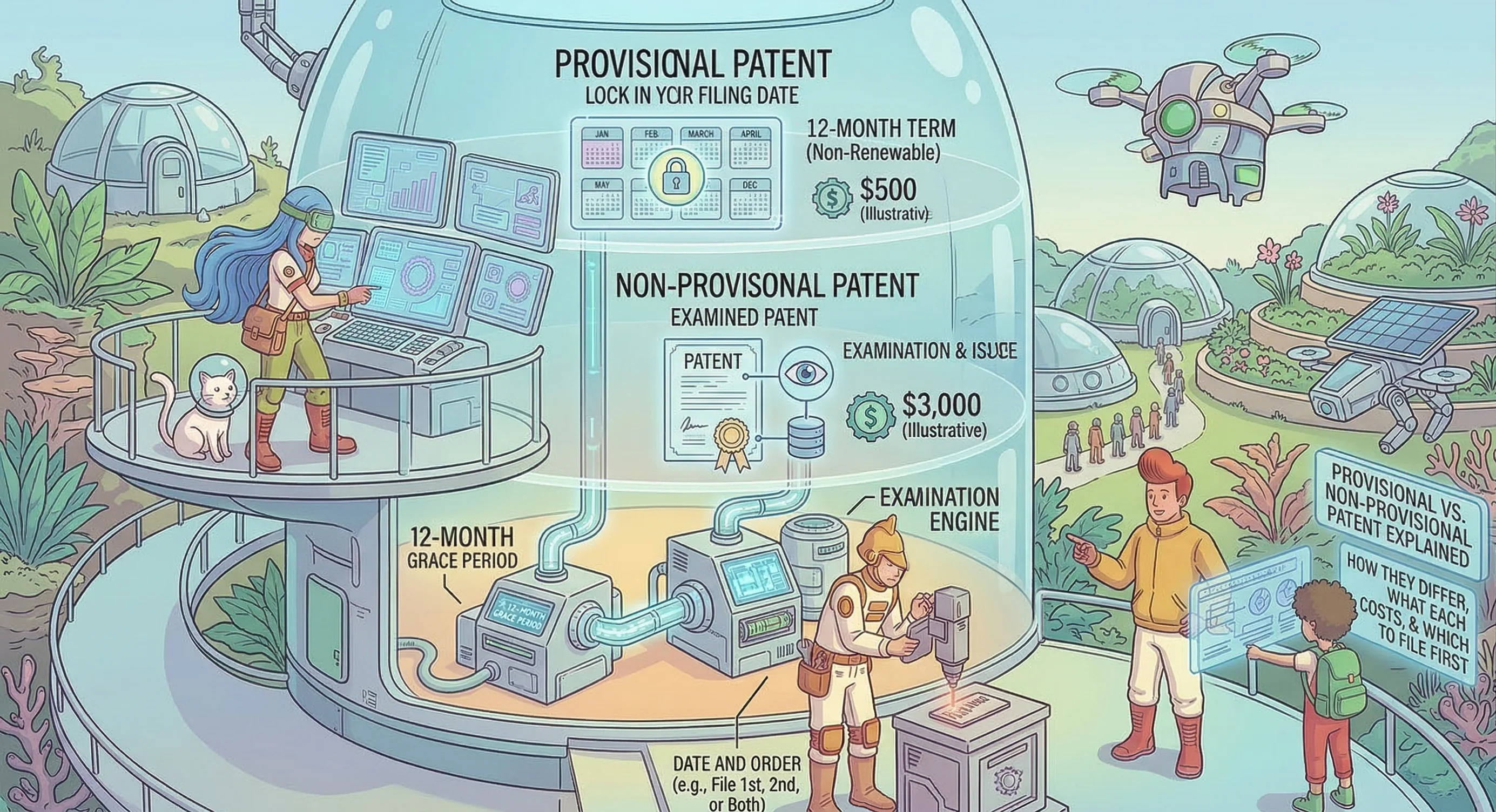
Provisional vs. Non-Provisional (Full) Patent Explained
A provisional costs $2,000-$6,000. A non-provisional costs $6,000-$15,000+. How they differ, what each costs, and which to file first.
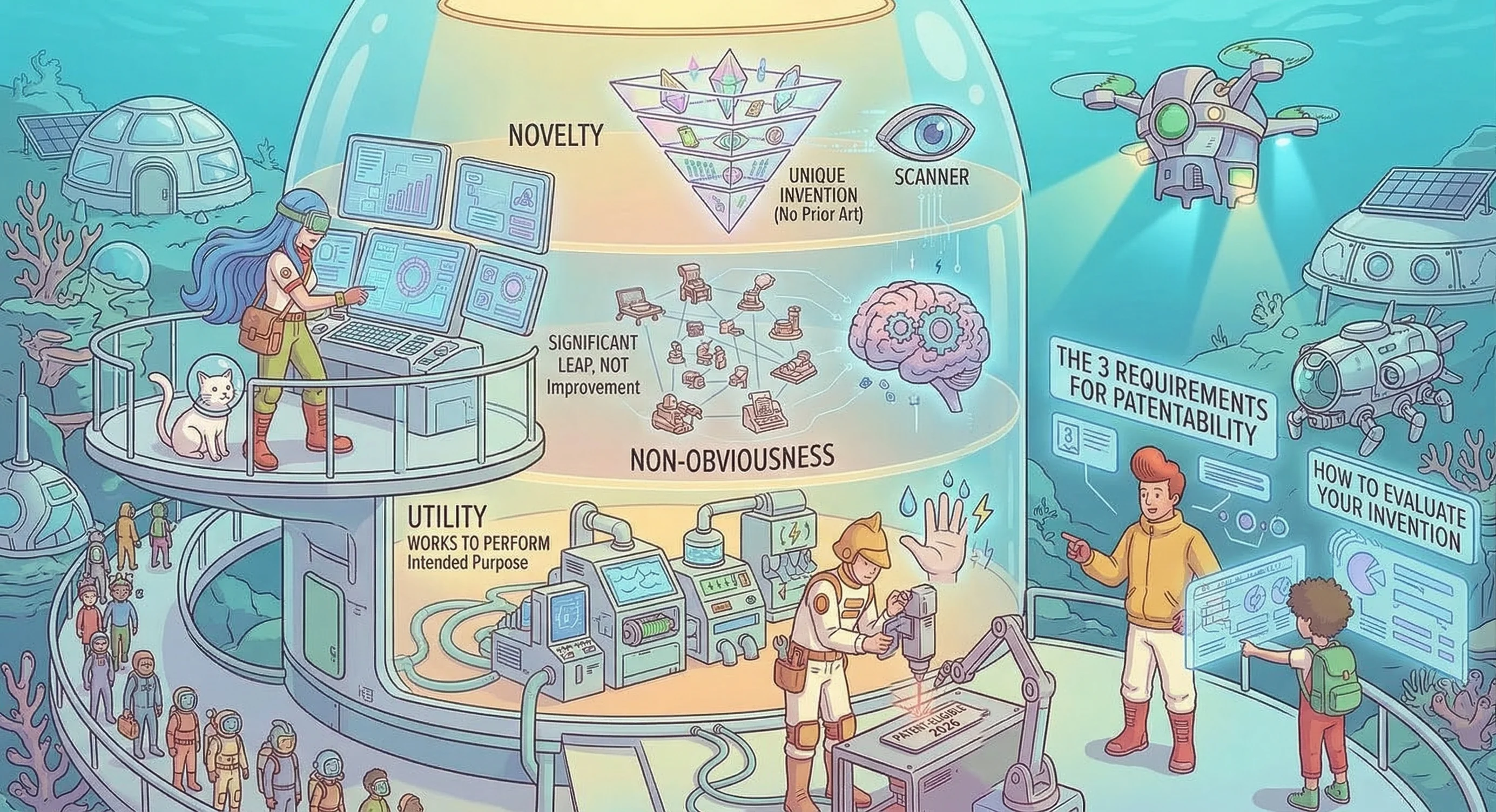
The 3 Requirements for Patentability
86% of patent applications get at least one rejection. Every application must pass three tests: novelty, non-obviousness, and utility.
What Is a Provisional Patent Application?
A provisional patent locks in your USPTO filing date for 12 months and gives you patent pending status. What it includes, what it costs, and when to file.
Choosing Help
2 guides on finding the right patent professional and understanding how they charge.

How to Choose a Patent Attorney in 2026
Patent attorneys charge $3,000-$15,000+ for a utility patent, and fees vary 3x in the same city. How to evaluate credentials, pricing, and specialization.
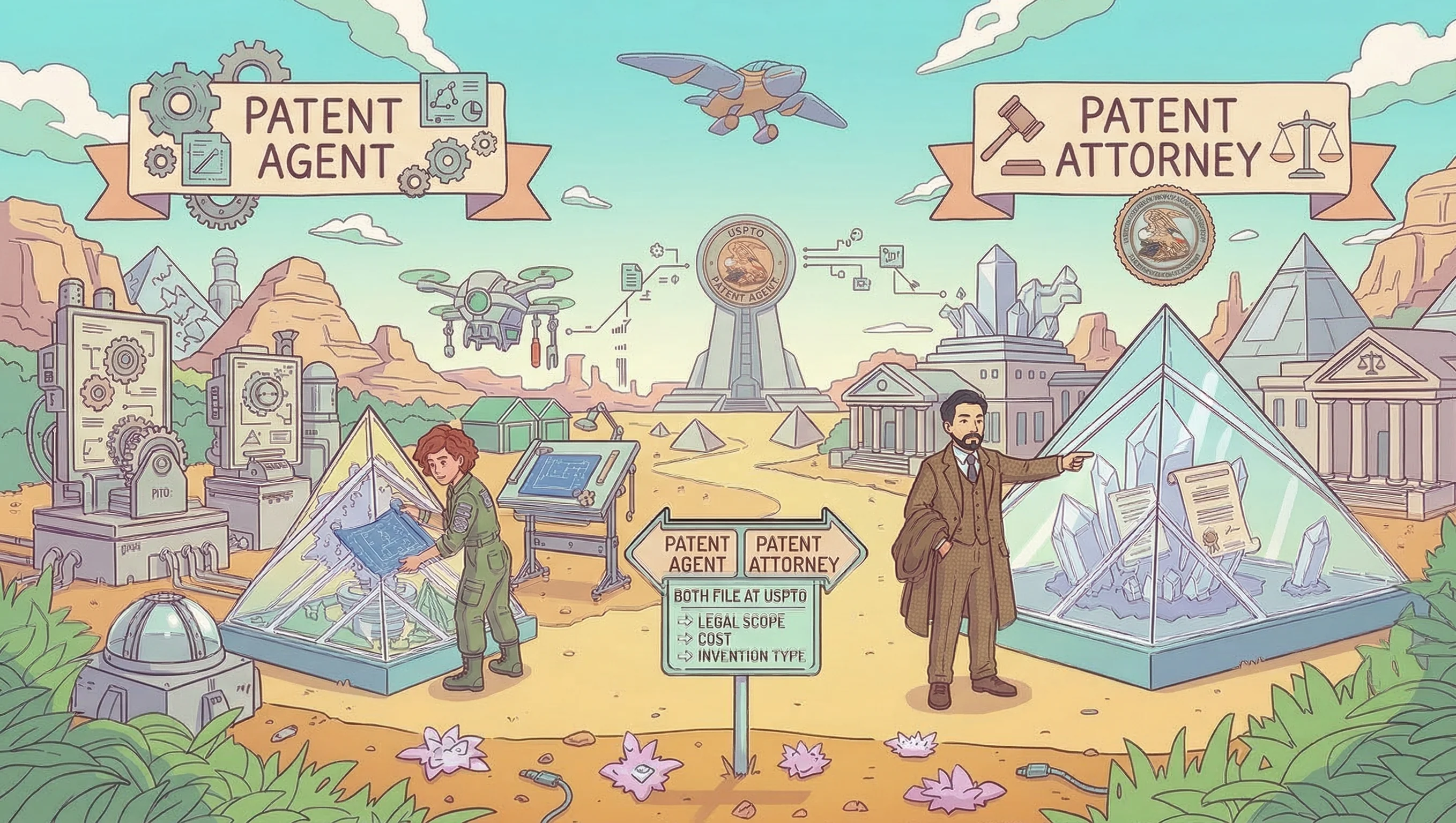
Patent Agent vs. Patent Attorney: How to Decide
Patent agents charge 20-40% less than attorneys for the same filing work. Both pass the same USPTO exam. When you need an attorney vs. when an agent saves money.
Reference
A comprehensive glossary of 45+ patent terms in plain language.